

When the early morning sun of June 19th just streamed through the kindergarten gate, Ms. Li (pseudonym) had no idea that a tiny oversight—leaving the electric bike key (unremoved)—would plunge her 3-year-old son Lele into a bone crisis. As the child got off the bike, he accidentally touched the switch; the out-of-control electric bike dragged him to the ground, and his right leg was run over by the wheel. "The thigh bone is broken and requires surgery," the emergency doctor’s words pierced her heart like an ice pick.
The first 48 hours were the longest wait of Ms. Li’s life. They rushed to a well-known established children’s hospital’s emergency department immediately, only to receive an ill-fitting temporary brace. "You’ll have to wait at least a week for a bed," the doctor’s tone was professional yet indifferent, but it sent the parents—tormented by their child’s heart-wrenching cries of pain—plunging into an icy abyss.
On the morning of June 20th, Lele’s entire leg swelled brightly due to the brace’s pressure. Ms. Li managed to get an expert appointment through connections, but it brought no breakthrough. She mustered the courage to ask about the bed progress again, and the expert replied, "I said wait—hurrying won’t get you a bed!" By noon, the words "keep waiting this afternoon" became the last straw that broke her.
"A friend’s suggestion—'Try Beijing Jingdu Children’s Hospital!'—shone like a faint light. They rushed into the emergency department of Beijing Jingdu Children’s Hospital with their weak child at 1 p.m. on the second day after the injury. The triage nurse, recognizing the severity of the condition, immediately called an orthopedic doctor. The physician who hurried over was none other than Dr. Chou Xiaobing, director of the Pediatric Orthopedics Department.
"We can operate today," Dr. Chou touched Lele’s forehead with warm fingertips. "The child’s injury is suitable for elastic intramedullary nailing. We can fix it with minimally invasive surgery—no large incision, short procedure time, and quick recovery." He opened the medical record and explained the surgery to the mother, circling the fracture site with a colored pen: "It’s like threading an 'elastic shoelace' through the bone, fixing it from the marrow. The wound will only be two pinholes."
At 4:40 p.m. that day, Lele was wheeled into the operating room. Dr. Chou Xiaobing’s team was already prepared—this "precision reduction with elastic intramedullary nails" is their signature technique. Over the past decade, it has been used in over 4,000 surgeries, compressing the time for complex pediatric fracture procedures to 30 minutes with an error margin controlled within 1 millimeter.
While Ms. Li clutched her husband’s hand, trembling outside the operating room, real-time monitoring on the screen showed that intraoperative radiation exposure was 70% lower than in traditional surgeries—a low-dose imaging method unique to children’s hospitals. The two incisions, each smaller than 2 centimeters, barely bled—this is the "bloodless surgical field" standard of the Pediatric Orthopedics Department at Jingdu Children’s Hospital. At 5:30 p.m., Dr. Chou walked out of the operating room: "The bone is aligned perfectly. The child can take a sip of water once he wakes up."
To aid the child’s recovery, parents are allowed to stay overnight with their children during hospitalization. That night, Lele stopped crying about leg pain for the first time. Ms. Li watched her son sleep peacefully in the "pain-free ward" bed, while nurses used a pain pump to keep his pain at a VAS score below 3—meaning the child would only feel mild soreness, not affecting sleep or eating.
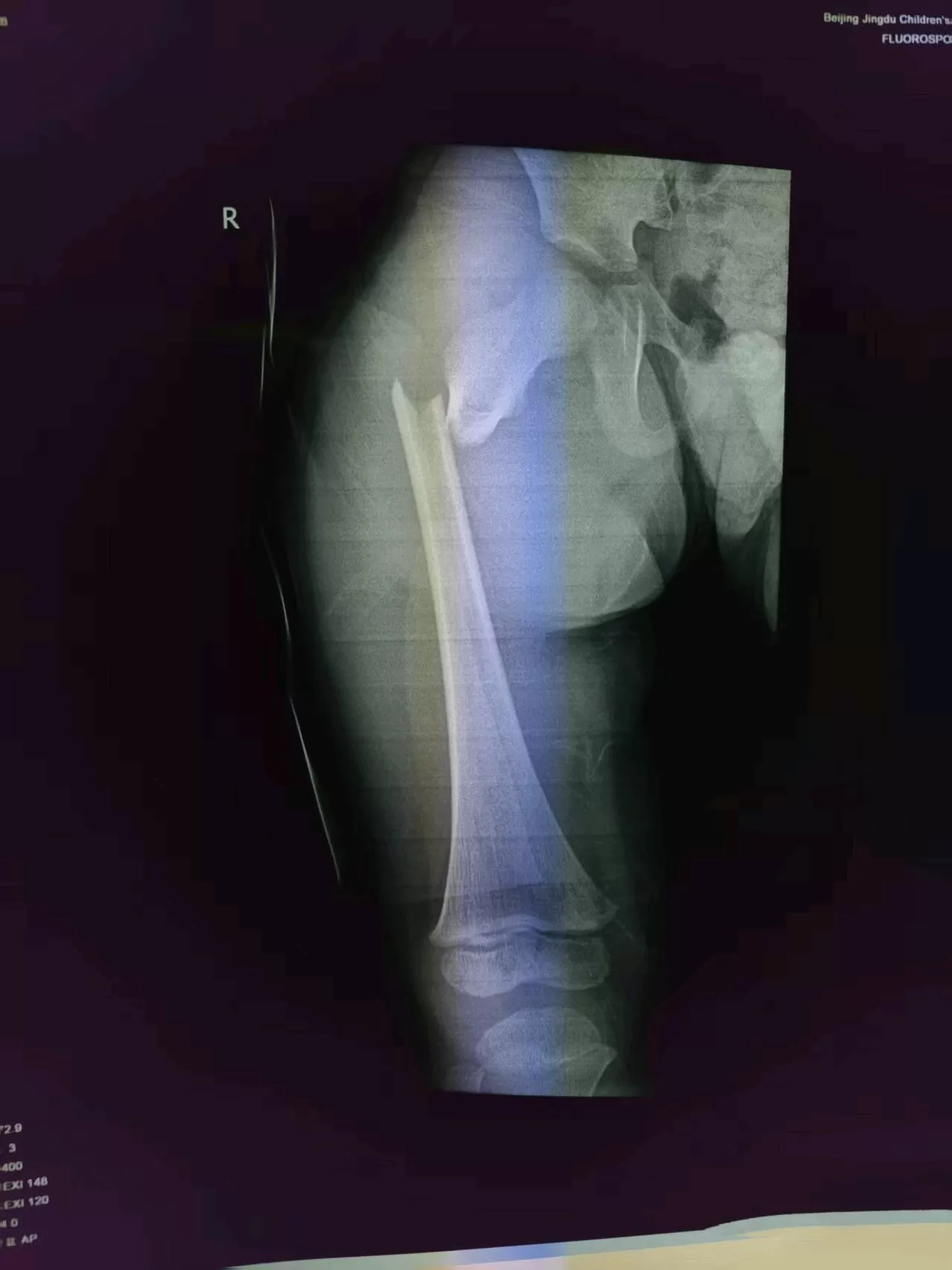
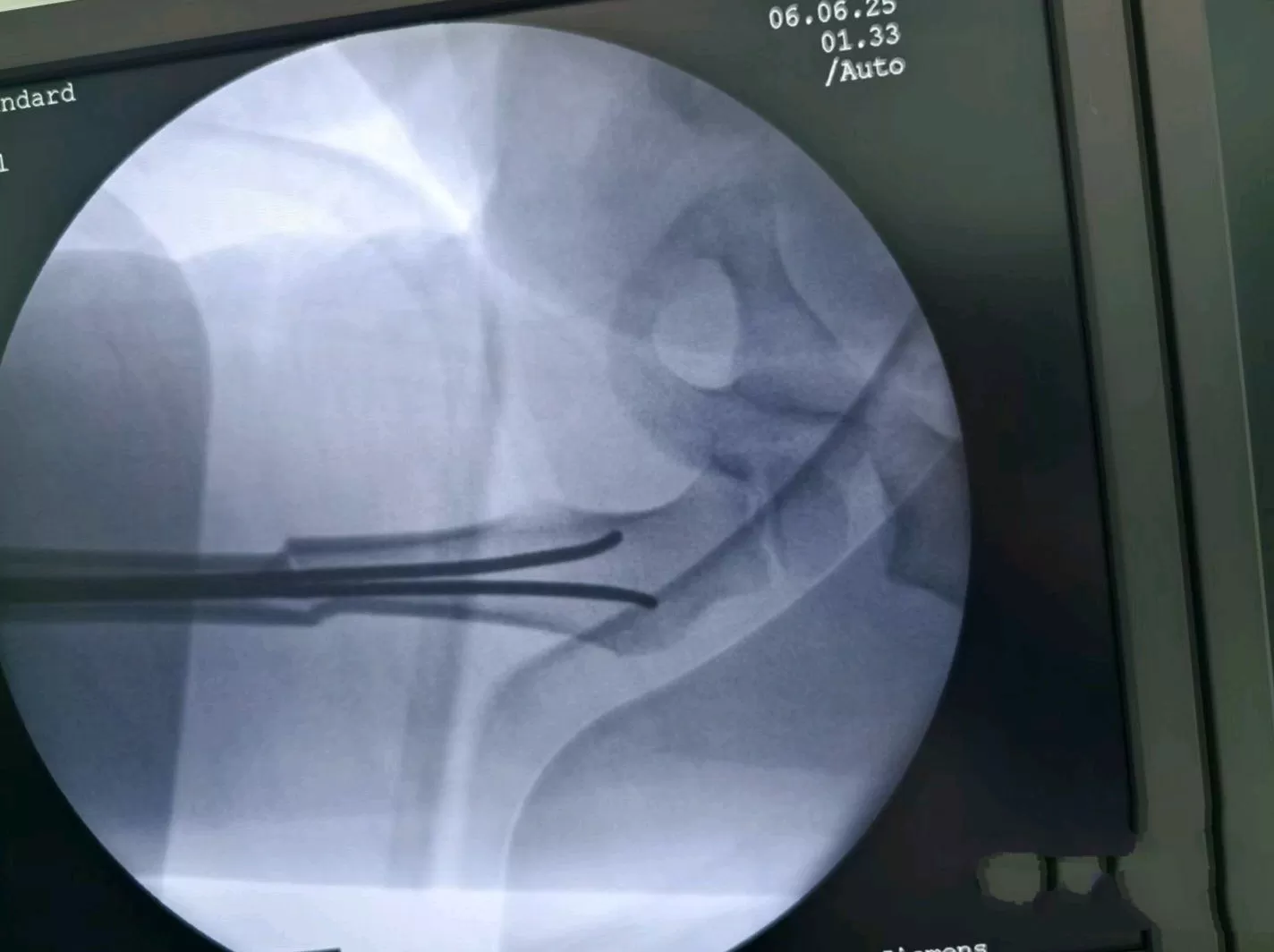
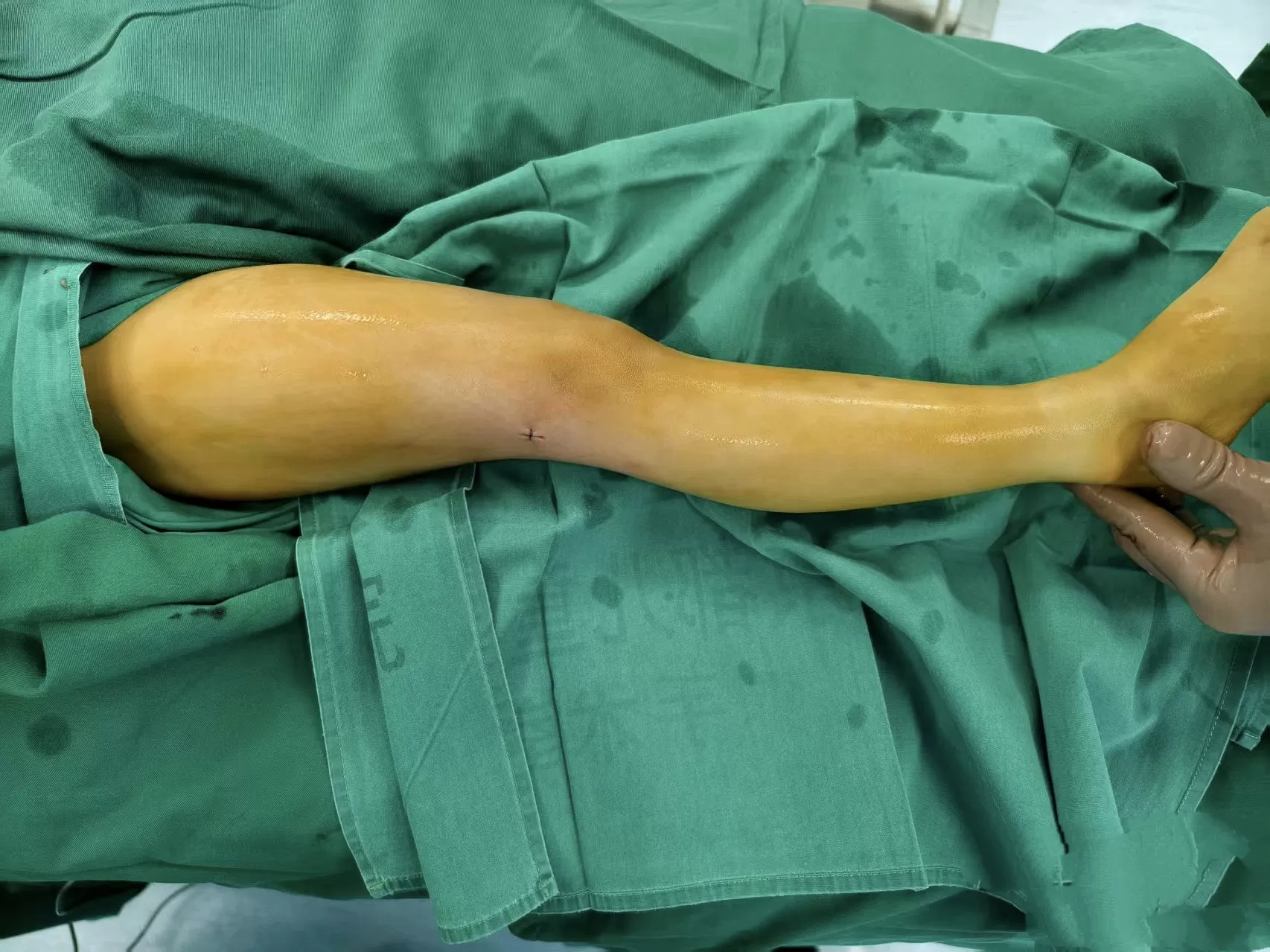
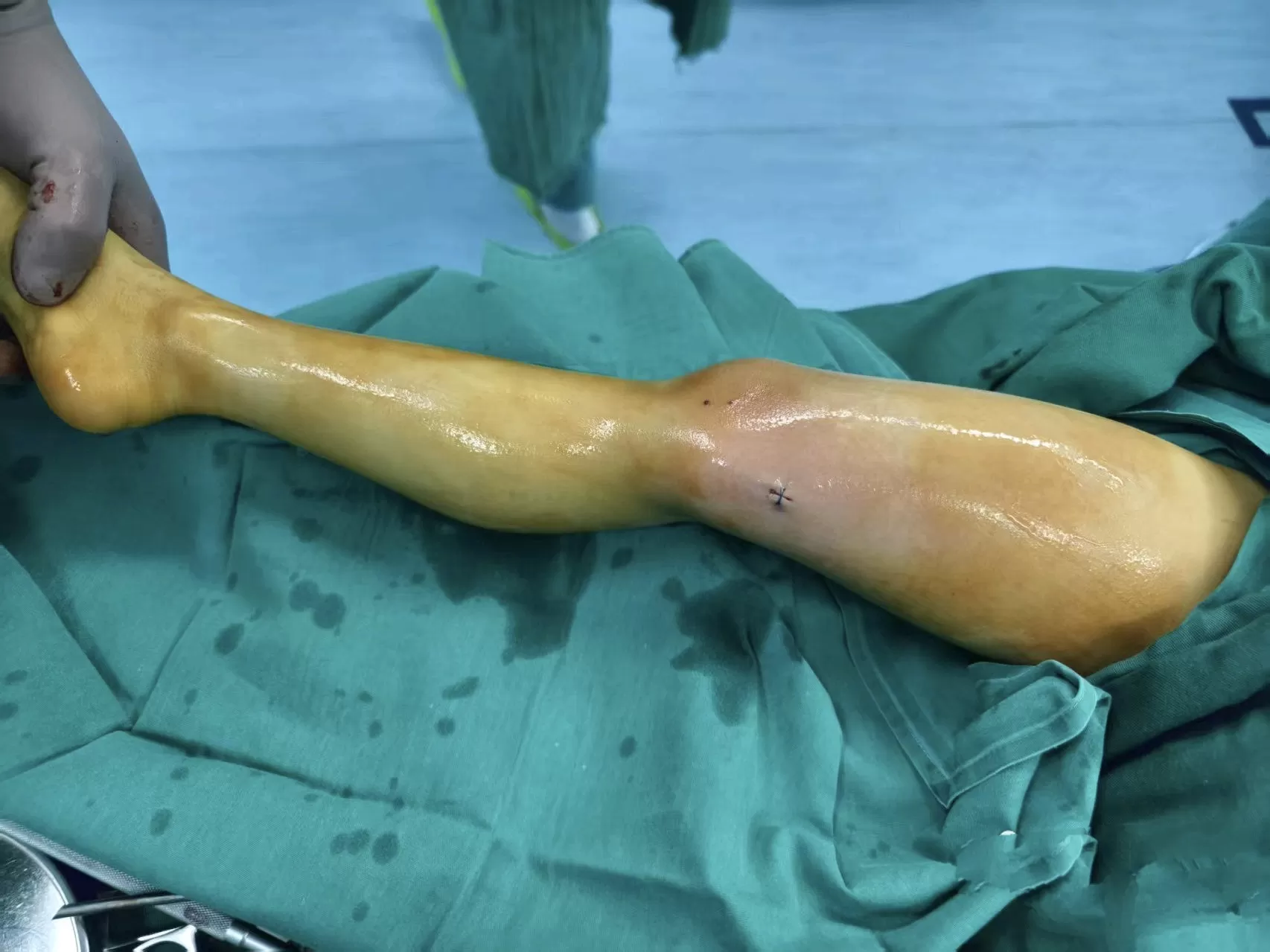
On the morning of June 21st, Lele hugged the toy car given by a nurse and shifted his leg slightly in bed—children’s hospitals never lack toys. During his rounds, Dr. Chou guided Lele through simple movements: "You can be discharged in two days. Follow this rehabilitation chart at home, and you’ll be able to walk in 3 weeks." The chart featured cartoon characters demonstrating exercises, with even "practice 5 times a day" marked with star stickers.
What reassured Ms. Li even more was that after medical insurance reimbursement, the out-of-pocket portion of the hospitalization cost was nearly half less than expected. "Admitted and operated on the same day—they even thought of the rehabilitation plan for us," she said, looking at the "designated medical insurance institution" stamp on the bill. It suddenly hit her how flustered she’d been when transferring hospitals—never imagining this accident would end with "less suffering and less cost."
On the day of discharge, Lele, in his hospital gown, ran a few steps down the corridor. Ms. Li hurried to help him, but Dr. Chou stopped her with a smile: "Let him try—that’s what we want to see. Children should be running and jumping like this."
This children’s hospital doesn’t just treat diseases; it cares more about restoring a child’s nature.
Postscript: Cases like Lele’s are not uncommon in the Pediatric Orthopedics Department of Jingdu Children’s Hospital. Led by Dr. Chou Xiaobing, the team has achieved an 85% minimally invasive surgery rate, a 24-hour day surgery system, and a 98% success rate in infant fracture surgeries—making "less suffering and quick recovery" the norm. Here, there is a group of people who embody "the compassion of a doctor as a parent" in every detail, standing ready to safeguard children’s bone health.

 EN
EN
 CN
CN