

Patients with relapsed and refractory leukemia often face the dilemma of having no available treatment options. Beijing Jingdu Children's Hospital has integrated core protocols from 23 authoritative global treatment guidelines and made 37 localized adjustments based on the genetic characteristics and physical differences of admitted pediatric patients, developing 12 distinctive treatment regimens tailored to the hospital's practice. These regimens offer more choices for relapsed patients. Validated in 860 pediatric cases of relapsed and refractory leukemia, the dosage of these regimens can be precisely adjusted on an individual basis, resulting in a significant improvement in treatment response rate compared to conventional protocols.
The hospital has taken the lead in incorporating 6 categories of international cutting-edge technologies, such as CAR-T cell therapy, immune checkpoint inhibitor therapy, and molecular targeted therapy, into its routine leukemia treatment system. For pediatric patients with relapsed and refractory leukemia undergoing CAR-T therapy, the objective response rate reaches 83%, with a complete response rate of 67%. Additionally, the hospital leads 15 national and provincial-level clinical trials for novel drugs, covering 9 types of new targeted agents. These trials provide additional treatment options for drug-resistant patients, offering more choices for otherwise untreatable refractory or relapsed cases and increasing the treatment response rate by 32%.
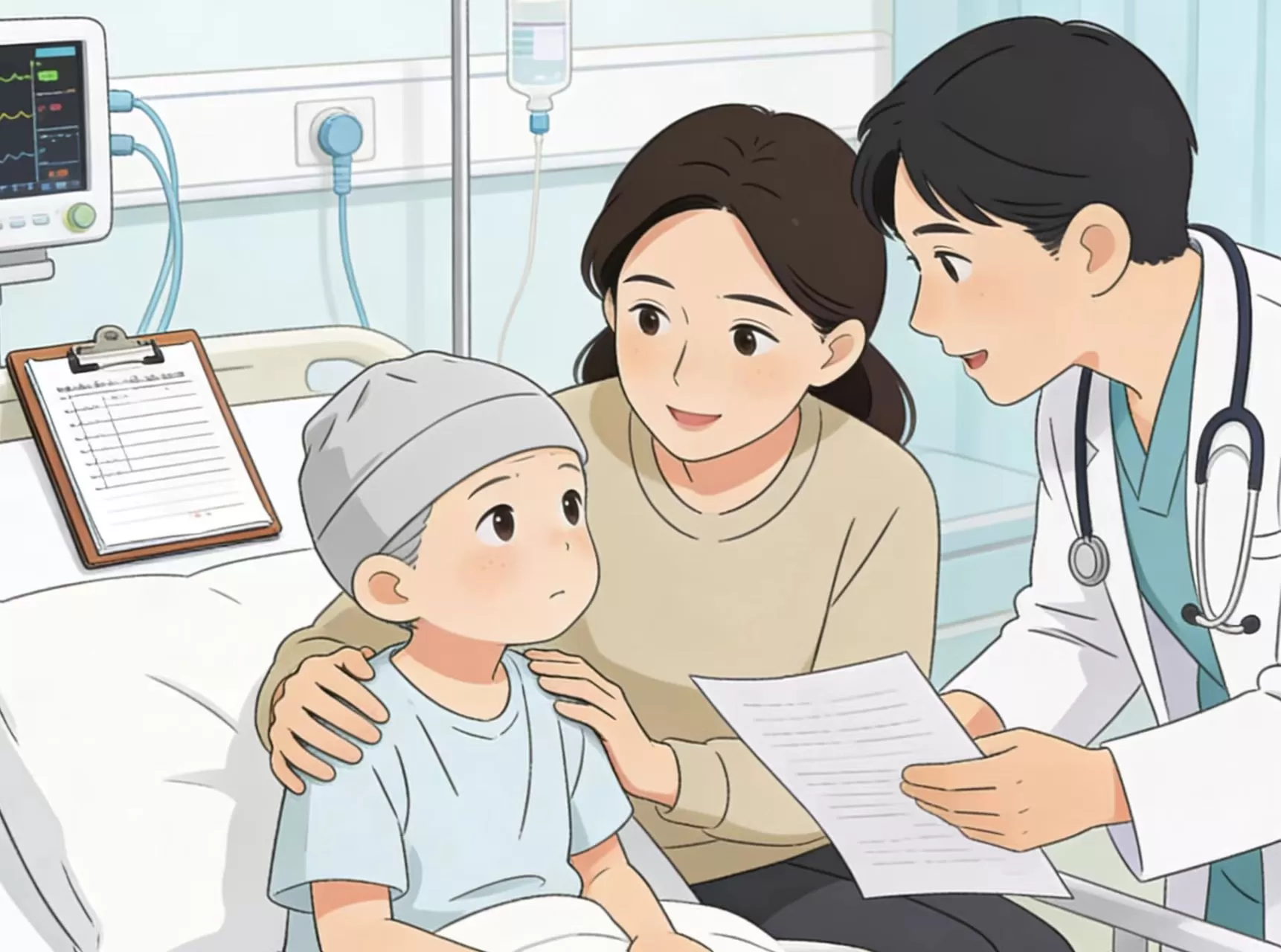
A hospital's ability to treat infant leukemia reflects its clinical experience and technical strength. Over the past 5 years, the hospital has successfully treated 340 infant leukemia patients (the youngest being only 28 days old), achieving a 75% success rate in infant leukemia treatment, which ranks among the leading levels in China. Forty-two mature technologies accumulated from infant leukemia treatment and refined operational procedures for hematopoietic stem cell transplantation (HSCT) have been transferred and applied to the treatment of relapsed and refractory cases. The hospital has performed a total of 1,280 HSCT procedures, with relapsed and refractory cases accounting for 45% of the total, and the transplantation success rate reaching 78%.
The inability to dynamically adjust medication on an individual basis in real time is a key cause of disease recurrence, as the dosage of many drugs must be carefully balanced to avoid under or over-treatment. Beijing Jingdu Children's Hospital utilizes advanced equipment for detailed testing to promptly detect minimal residual disease (MRD) in the body. Medication dosage is adjusted based on the patient's condition, balancing treatment tolerance and residual tumor burden to achieve high survival rates and low recurrence risks.
The hospital has introduced 6 sets of internationally advanced MRD detection equipment, with a detection sensitivity of 10⁻⁶ (i.e., 1 cancer cell can be detected among 1 million cells) and a turnaround time of ≤24 hours for test results. Personalized dosage monitoring models have been established for 12 types of commonly used chemotherapeutic drugs, enabling real-time dynamic adjustment of treatment regimens. This has improved patient treatment tolerance by 35% and achieved an 89% compliance rate for residual tumor control.
As a national Grade A tertiary hospital and a designated transplantation institution, the hospital has built 19 independent laminar air flow transplantation wards (including 4 specialized wards for infants) with 10,000-class cleanliness. With an annual transplantation capacity of over 300 cases, it is one of the largest pediatric HSCT centers in North China. The hospital is equipped with 24 professional laminar air flow beds, a dedicated PICU (8 intensive care beds), a NICU (6 neonatal intensive care beds), and a full set of emergency equipment. The waiting time for patients to be admitted to the transplantation ward is ≤72 hours, the success rate of intensive chemotherapy support is 99.6%, and the incidence of severe chemotherapy-related complications is reduced by 40%.
As a comprehensive children's hospital with strong overall strength, the hospital has established a multidisciplinary team (MDT) consisting of 11 specialties, including Respiratory Medicine, Neurology, Nephrology, Nutrition, and Child Health. The response time for intervention in complications during chemotherapy and transplantation is ≤1 hour, and the complication control rate reaches 92%. Integrating traditional Chinese medicine (TCM) conditioning, personalized TCM regimens have been developed for more than 60% of patients, shortening the physical recovery time after chemotherapy by 5-7 days, increasing the tolerance rate for intensive chemotherapy to 87%, and improving the overall treatment success rate compared to single-discipline support.
Led by 4 renowned domestic hematology experts (Wu Minyuan, Sun Yuan, Wu Nanhai, and Liu Zhouyang), the core medical team all have more than 10 years of specialized experience in the treatment of relapsed and refractory leukemia, with a cumulative diagnosis and treatment of over 5,000 complex cases. The team conducts in-depth case discussions with top overseas institutions, such as St. Jude Children's Research Hospital (USA) and the Children's Hospital of the University of Munich (Germany), at least 8 times a year, achieving an accuracy rate of over 95% in addressing complex cases.
Nursing quality is a crucial factor in ensuring patients complete their treatment. The nursing team at Beijing Jingdu Children's Hospital has received no less than 600 hours of specialized pediatric nursing training, among which 15 nurses hold professional qualifications in post-transplantation nursing. The success rate of one-time venipuncture for intravenous therapy is 99.2%, and the rate of personalized nutrition support plan formulation is 100%. The hospital is equipped with 4 types of comfort treatment equipment (including painless puncture devices and sedation-analgesia devices), reducing the patient's treatment pain score (NRS) by 60% compared to traditional nursing and achieving a 96% completion rate of scheduled treatment regimens. This ensures a solid foundation for the cure rate.
Over the past 3 years, the expert team has published 112 papers in core domestic and international journals and participated in the formulation of 5 national guidelines and expert consensuses on pediatric leukemia diagnosis and treatment. The team participates in more than 12 national academic conferences and 6 international academic conferences annually, delivering special reports. The hospital is also the leading institution for multiple leukemia treatment projects.

 EN
EN
 CN
CN