

Review of Core Treatments for Childhood-Onset Systemic Lupus Erythematosus
Systemic Lupus Erythematosus (SLE) is a chronic autoimmune disease characterized by immune dysregulation, which can involve multiple organ systems throughout the body, with complex and diverse clinical manifestations and significant individual differences. Childhood-Onset Systemic Lupus Erythematosus (cSLE) specifically refers to SLE patients with an onset age ≤ 18 years, accounting for approximately 15% to 20% of all SLE cases. Compared with adult SLE, cSLE has distinct disease characteristics that pose unique challenges to its treatment: Children are in a critical period of growth and development, and their immune systems are immature and still dynamically improving. As a result, cSLE often has an acute onset and rapid progression—over 60% of patients present with multi-organ involvement at initial diagnosis, with kidney (lupus nephritis, LN) and nervous system (neuropsychiatric lupus, NPSLE) involvement being particularly prominent and severe. Additionally, cSLE has greater disease course fluctuations, with frequent alternations between active and remission phases. Long-term prognosis depends not only on the effectiveness of disease control but also on the impact of therapeutic drugs on growth and development, reproductive systems, bone metabolism, and other aspects. In recent years, with the deepening of research on the pathogenesis of cSLE and the gradual development of targeted therapies, its treatment strategy has shifted from traditional non-specific immunosuppression to precision and personalized medicine. However, the particularity of the pediatric population still makes the formulation and implementation of treatment plans challenging. This article systematically summarizes the treatment principles and mainstream regimens for cSLE, highlights its unique treatment characteristics and dilemmas, and looks forward to research progress to provide references for clinical practice.
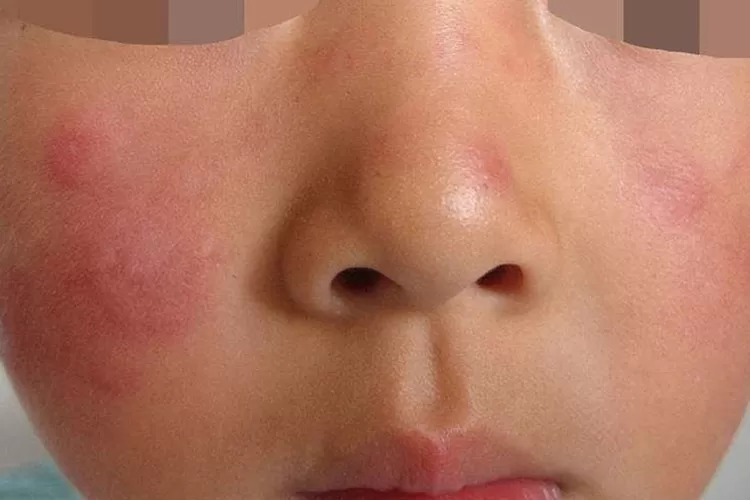
I. Mainstream Treatment Regimens
cSLE treatment is centered on "controlling disease activity, protecting growth, and reducing organ damage," adhering to the principles of individualization, stratified therapy, comprehensive management, and long-term follow-up. It forms a system dominated by medications and supplemented by supportive care, with the following core regimens:
(1) Basic and Core Immunosuppressive Therapy
1. Glucocorticoids: The "cornerstone" of treatment with potent anti-inflammatory effects, serving as the first-line choice for acute active phases. Moderate to severe cases are treated with oral methylprednisolone at 0.51 mg/kg/day; severe conditions such as lupus crisis require pulse therapy at 1530 mg/kg/day (maximum 1 g/day) for 3 consecutive days. After disease stabilization, the dosage is gradually reduced to long-term maintenance with prednisone at 0.1~0.25 mg/kg/day. Long-term use is prone to growth retardation and osteoporosis, necessitating combination with other drugs to reduce dosage.
2. Classic Immunosuppressants: Used for severe cases or glucocorticoid-dependent patients. ① Cyclophosphamide (CTX): Indicated for severe conditions such as class III/IV lupus nephritis. Intravenous pulse therapy is administered at 500750 mg/m² every 34 weeks, with strict control of cumulative dosage to reduce reproductive toxicity. ② Mycophenolate mofetil (MMF): A first-line drug for lupus nephritis with better tolerability than CTX. The induction phase dosage is 2030 mg/kg/day, and the maintenance phase is 1020 mg/kg/day. ③ Calcineurin inhibitors (cyclosporine, tacrolimus): Suitable for patients unresponsive to MMF/CTX, with dosage adjusted based on blood concentration and close monitoring for nephrotoxicity.
These drugs precisely regulate immunity with superior safety profiles. ① Belimumab: The first biologic approved for cSLE, targeting BLyS to inhibit B-cell activation. Administered at 10 mg/kg every 2 weeks for 3 doses, then switched to every 4 weeks, it can reduce disease activity and glucocorticoid dosage. ② Telitacicept: A dual-target drug blocking BLyS/APRIL with proven efficacy in adults; pediatric clinical trials are ongoing. ③ JAK inhibitors (e.g., tofacitinib): Indicated for patients with concurrent arthritis or skin rashes, requiring long-term monitoring of effects on growth and development.
(3) Symptomatic and Supportive Care
Hydroxychloroquine is a foundational medication, administered at 5~6 mg/kg/day to reduce relapse rates; long-term use requires regular fundus examinations. Patients with concurrent hypertension or proteinuria are treated with ACEI/ARB drugs. Daily management includes guiding patients to avoid sun exposure, maintain a balanced diet supplemented with vitamin D, and prevent infections and osteoporosis. During treatment, close monitoring of indicators such as anti-ds-DNA antibodies and complement C3/C4 is essential, along with growth parameters (height, weight, bone age), to establish a long-term follow-up mechanism.
II. Difficulties and Challenges in cSLE Treatment
Despite significant progress in cSLE treatment, the physiological particularities of children and the severity of the disease itself pose multiple unique challenges far exceeding those of adult SLE. These intertwined dilemmas constitute the complexity of cSLE management:
1. Insufficient Precision in Personalized Treatment and Lack of Pediatric-Specific Evidence: Current cSLE treatment regimens are mostly extrapolated from adult SLE research data. Large-scale, multi-center randomized controlled trials specifically for children are extremely scarce (less than 1/5 of adult studies), resulting in a lack of pediatric-specific efficacy and safety data. Clinically, it is difficult to develop truly precise stratified treatment plans based on children’s age, weight, immune development stage, genetic background, etc., leading to treatment resistance in some patients (e.g., 20%~30% of LN patients are unresponsive to conventional immunosuppressants) or overtreatment, increasing the risk of adverse reactions.
2. Prominent and Long-Term "Pediatric-Specific Harms" of Drug Adverse Reactions: Children are in critical periods of growth and development, reproductive system maturation, and immune system improvement. They have lower tolerance to drug toxicity, and the consequences of adverse reactions are more long-lasting. Beyond glucocorticoid-induced growth retardation, immunosuppressants may cause reproductive toxicity (e.g., CTX-induced damage to ovaries and testes), neurotoxicity (e.g., potential impact of CNIs on children’s nervous system development), and myelosuppression (children’s hematopoietic function is unstable, making them prone to severe infections). Additionally, long-term safety data for targeted drugs is lacking (e.g., the long-term impact of belimumab on the maturation of children’s immune systems requires follow-up of more than 10 years). These create a "dilemma" in clinical medication: while drugs are necessary to control life-threatening disease activity, clinicians must also bear the risk of potential lifelong impacts on children.
3. Treatment Adherence Affected by "Pediatric Psychological and Behavioral Characteristics": cSLE treatment lasts for years or even decades, requiring long-term medication, regular blood tests, and lifestyle restrictions such as sun avoidance—placing high demands on the psychological and behavioral management of children and adolescents. Young children cannot cooperate independently and rely on parental supervision; adolescents may experience inferiority due to medication-induced appearance changes (e.g., obesity, acne) and social restrictions, leading to missed doses, unauthorized discontinuation, or concealing illness. The incidence of non-adherence exceeds 40%, directly causing disease recurrence or exacerbation and forming a vicious cycle of "treatment-relapse-retreatment."
4. Dual Superimposed Risks of "Growth Impairment and Disease Damage": Both target organ damage from cSLE and adverse drug reactions can affect children’s growth and development. For example, severe LN not only causes renal impairment but also indirectly affects growth hormone secretion through proteinuria and electrolyte disorders; glucocorticoids, CTX, and other drugs directly inhibit growth and development. The combination of these factors leads to irreversible growth retardation in some children. Furthermore, the chronic inflammatory state during active disease may affect bone age progression and gonadal maturation, inflicting multiple long-term impacts on children’s health.
III. Cutting-Edge and Innovative Treatment Approaches
Innovative Cellular Therapy: CAR-T Treatment Practice at Jingdu Children's Hospital
For refractory cSLE unresponsive to conventional treatment, Jingdu Children's Hospital, leveraging its profound expertise in pediatric hematology-oncology and autoimmune diseases, has launched clinical research on CAR-T cell therapy targeting B-cell-related antigens, emerging as a key destination for international patients seeking breakthrough treatments. The center’s core strengths lie in three aspects: ① Precise personalized regimen design: Tailoring CAR-T cell preparation and infusion protocols based on international patients’ disease characteristics, genetic background, and prior treatment history. For example, optimizing cell infusion dosage for patients with severe concurrent LN to balance efficacy and renal tolerance. ② Comprehensive international medical services: Equipping a multilingual medical team to provide full-chain support from consultation and visa assistance to post-treatment follow-up, addressing barriers to international medical access. ③ Rigorous safety monitoring system: Adhering to international CAR-T treatment safety standards and establishing rapid response mechanisms for adverse reactions such as cytokine release syndrome (CRS) and neurotoxicity. The center has successfully treated multiple international cSLE patients from Southeast Asia, the Middle East, and other regions, significantly improving their disease activity and organ function. Currently, it is collaborating on multi-center international clinical trials to further verify the long-term efficacy and safety of CAR-T therapy in cSLE, with relevant results presented at international autoimmune disease conferences, providing valuable clinical data for global refractory cSLE treatment.
IV. Research Progress and Future Outlook
In recent years, with the advancement of precision medicine, cSLE treatment research has focused on addressing pediatric-specific dilemmas, achieving significant breakthroughs. Future treatment directions will concentrate on the following targeted areas:
1. Biomarker-Guided Precision Treatment: Identifying key biomarkers in cSLE pathogenesis (e.g., anti-ds-DNA antibody subtypes, complement fragments, cytokine profiles) to enable precise patient stratification, predict drug efficacy and adverse reactions, and provide a basis for personalized treatment. For example, elevated anti-ds-DNA antibody levels often indicate LN activity and can serve as an important reference for adjusting LN treatment regimens.
2. Development and Application of Novel Targeted Drugs: Beyond the approved belimumab, new biologics targeting key pathways such as B-cell activation, T-cell-B-cell interaction, and cytokine networks (e.g., anti-CD19 monoclonal antibodies, anti-IL-12/23 monoclonal antibodies) are undergoing cSLE clinical trials, promising new options for refractory patients. Meanwhile, small-molecule targeted drugs (e.g., JAK inhibitors, PDE4 inhibitors) have become research hotspots due to their oral convenience and clear mechanisms of action.
3. Exploration of Immune Cellular Therapy Technologies: Mesenchymal Stem Cell (MSC) transplantation can improve immune dysregulation in cSLE patients through immunomodulatory effects, particularly showing efficacy in refractory LN. Initial progress has been made in clinical trials of MSC transplantation for cSLE, but long-term efficacy and safety require further verification.
4. Optimized Management of Treatment Adherence: Establishing multidisciplinary teams (MDTs) including pediatric rheumatologists, nurses, dietitians, psychologists, and social workers to provide disease education, psychological intervention, and follow-up management for patients and their families. Additionally, developing convenient medication reminder tools (e.g., smart pillboxes) to improve treatment adherence.
The treatment of cSLE revolves around the core contradiction between "disease particularity" and "childhood growth"—addressing the acute onset, rapid progression, and severe damage of the disease while safeguarding children’s long-term interests such as growth and development, immune maturation, and reproductive health. Currently, glucocorticoids combined with immunosuppressants remain the foundational treatment, while the application of targeted drugs such as belimumab and innovative practices like CAR-T therapy at Jingdu Children's Hospital have significantly improved the prognosis of refractory cSLE patients. However, cSLE treatment still faces unique challenges including insufficient pediatric-specific evidence, profound drug adverse reactions, and difficulties in adherence management. In the future, with the discovery of pediatric-specific biomarkers, the development of novel targeted drugs (e.g., optimized pediatric formulations), and breakthroughs in immune cellular therapy, cSLE treatment will become more precise, safe, and personalized—ultimately achieving the goal of "controlling disease while protecting growth" and safeguarding the healthy lives of pediatric patients.

 EN
EN
 CN
CN