

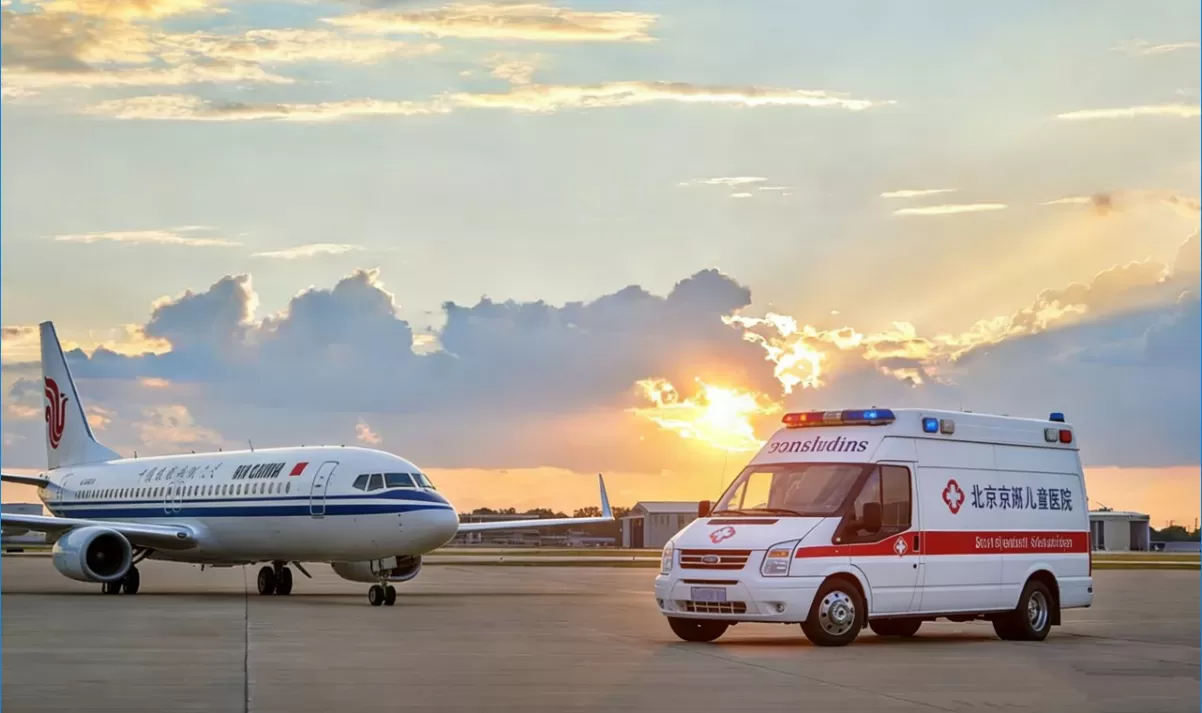
With the core mission of "Escorting the Lives of Critically Ill Children", we focus on the inter-hospital and cross-regional transport of patients with neonatal critical illness (NICU), pediatric critical illness (PICU) and special diseases (e.g., hematological oncology, congenital heart disease, rare neurological diseases). We have built a full-process service chain featuring "rapid response, precise diagnosis and treatment, and safe transport", acting as a core support for the rescue and referral of critically ill newborns in the region, and providing customized transport solutions for children with special diagnosis and treatment needs worldwide.
Comprehensive transport scenarios: Covering urban emergency transport (transfer of critically ill children between hospitals, emergency transport of acute severe cases) and cross-regional long-distance transport (referral of critically ill children in the Beijing-Tianjin-Hebei region, surrounding provinces and across China). We specialize in pre- and post-transplant transport for children with hematological oncology, post-operative monitoring transport for children with congenital heart disease, and precise transport for children with special diseases such as spinal muscular atrophy (SMA).
Age-adapted services for all groups: We formulate personalized transport plans for premature infants, newborns, infants, young children and adolescents based on their physiological characteristics and medical needs, including constant temperature transport for premature infants, sterile protective transport for children with hematological oncology, and ECMO-supported transport for critically ill children.
Response to special needs: Customized transport services are available for children with allergic constitutions and those requiring long-term life support (e.g., ventilators, infusion pumps). We also establish seamless connections with key departments including the Hematological Oncology Center, Heart Center and Rare Neurological Disease Center to ensure integrated transport and subsequent diagnosis and treatment.
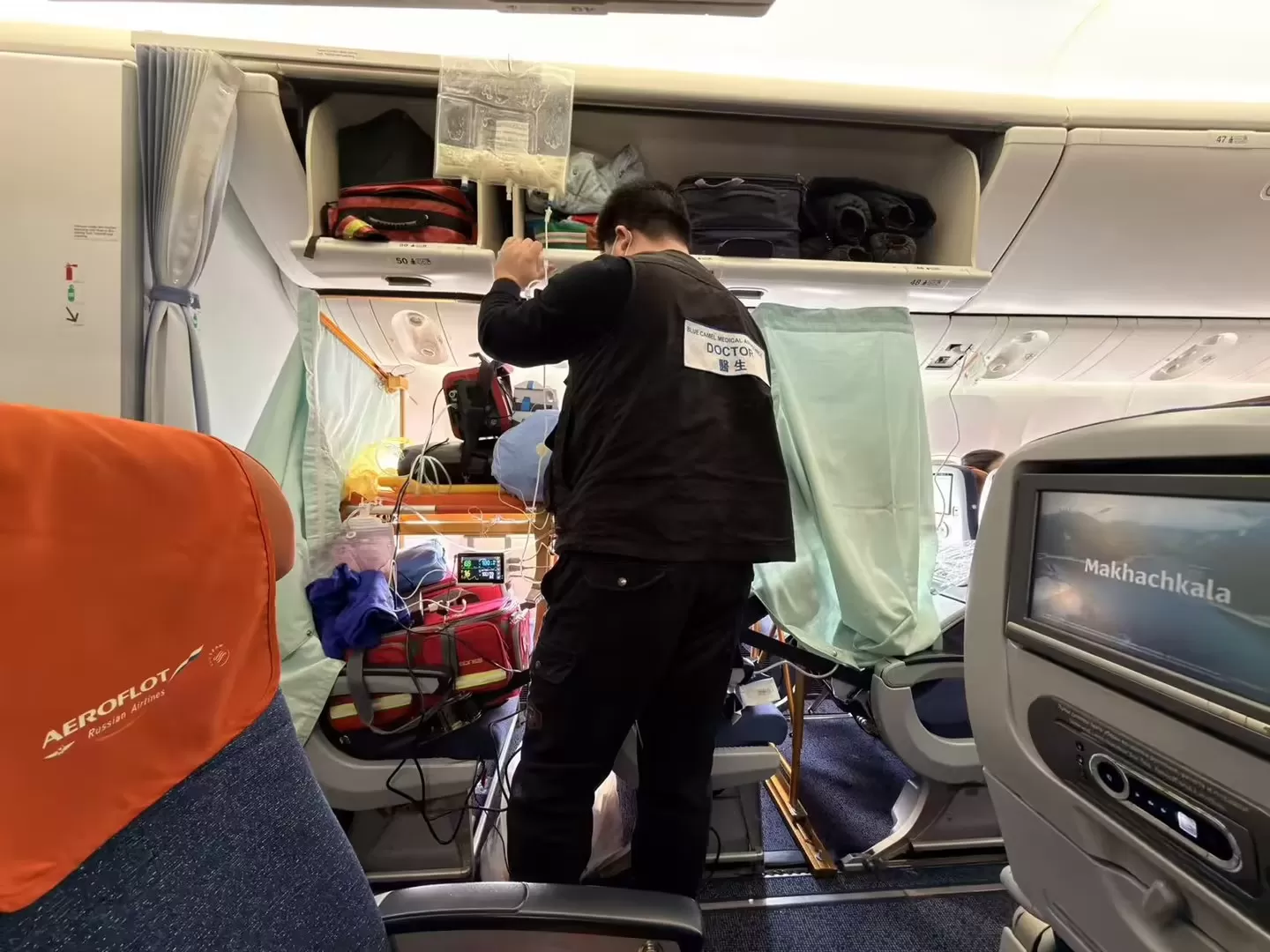
Relying on the hospital's talent echelon of "the combination of senior, middle-aged and young professionals" and the multidisciplinary team (MDT) model, our transport team consists of senior medical staff and an exclusive telemedicine support team, realizing the service standard of "diagnosis and treatment starting en route".
Medical and nursing team: All members have over 3 years of experience in pediatric or neonatal intensive care, and hold relevant professional certifications — including Registered Nurses (RN) with Pediatric Critical Care Nursing Certification (CCRN), neonatal specialist nurse qualifications, Registered Pediatric Respiratory Therapists with Neonatal-Pediatric Specialist Qualification (NPS), and full-time transport physicians (mainly senior attending physicians and above in PICU and NICU, proficient in vital sign monitoring and emergency disposal for critically ill children).
Special disease support personnel: Specialist nurses skilled in sterile protective operations are assigned for the transport of children with hematological oncology; medical staff from the Heart Center participate in formulating transport plans for children with congenital heart disease; neurologists provide remote condition assessment for children with rare neurological diseases to ensure stable conditions en route.
The entire transport process is supported by remote online medical guidance from the expert team of the hospital's Academic Development Committee, including nationally renowned experts in hematological oncology, cardiology, neurology, critical care and other fields (e.g., Professor Wu Minyuan and Professor Han Ling, winners of the Lifetime Achievement Award in Pediatrics, and Professor Liu Yinglong from the Heart Center). Through real-time transmission of children's vital sign data and video consultation, the expert team provides immediate clinical suggestions for the transport team to respond to potential condition changes en route (e.g., sudden bradycardia, respiratory abnormalities, aggravated infection).
Drawing on international advanced transport standards and combining children's physiological characteristics and the clinical needs of critical illnesses, all transport vehicles and equipment are configured in accordance with the "mobile intensive care unit" standard to ensure medical safety and comfort en route.
Ground transport vehicles: Equipped with multiple customized pediatric ambulances, the interior is divided into diagnosis and treatment area, monitoring area and accompanying area to meet the needs of children with different conditions — including constant temperature transport cabins (for premature infants and low-birth-weight infants, temperature precisely controlled at 22-26℃) and sterile isolation cabins (for children with hematological oncology and immunodeficiency). An operation platform for medical staff and an emergency disposal space are also set up to enable rescue operations at any time en route.
Equipment adaptability: All vehicles are equipped with a stable power supply system and emergency power support, supporting the continuous operation of ventilators, monitors, infusion pumps and other equipment for more than 8 hours. Exclusive storage space is provided for classified storage of first-aid medicines, medical consumables and daily necessities for children, meeting the needs of long-distance transport.
Life support equipment: Including portable ventilators (adapted to the airway of children and newborns, supporting multiple ventilation modes), cardiopulmonary resuscitators, external defibrillators (with external pacing function), and special ECMO transport equipment (for extremely critically ill children such as those with fulminant myocarditis and severe respiratory failure).
Monitoring equipment: Equipped with multi-parameter ECG monitors (monitoring heart rate, blood oxygen saturation, invasive blood pressure, body temperature, etc.), portable blood gas analyzers (real-time detection of blood gas indicators for timely clinical adjustment), and blood glucose monitors, ensuring real-time grasp of condition changes en route.
Specialized equipment: Pediatric-specific endotracheal intubation kits, infusion warmers (to prevent hypothermia), sterile infusion pumps (precise control of drug infusion speed), and special protective equipment for children with hematological oncology (e.g., sterile gloves, protective clothing, disinfection supplies) are provided for children with special diseases. We also carry customized emergency detection reagents from the hospital's central laboratory for rapid detection of basic clinical indicators.
(1) 24-Hour Response Mechanism
An exclusive transport command center is set up with a 24-hour transport hotline (linked with the hospital's emergency hotline), realizing the fast service standard of "response within 10 minutes and departure within 30 minutes". Upon receiving a transport request, the command center immediately coordinates the transport team, equipment management department and receiving department to carry out three tasks simultaneously: 1) Communicate with the referring hospital about the child's condition and clarify transport priorities; 2) The transport team assembles quickly to complete equipment debugging and drug preparation; 3) The receiving department reserves beds and medical resources in advance to ensure immediate clinical treatment upon the child's arrival.
(2) Closed-Loop Full-Process Service
Pre-hospital assessment: Through telephone and video, transport physicians connect with the medical staff of the referring hospital to obtain detailed information about the child's age, weight, diagnosis, vital signs and current treatment plan (e.g., ventilator use, drug allergy history), formulate a personalized transport plan, and clarify potential risks en route and corresponding countermeasures.
En route diagnosis and treatment: After the transport team arrives, the child's condition is rechecked and vital signs are monitored immediately, with en route diagnosis and treatment initiated simultaneously — such as adjusting ventilator parameters, supplementing first-aid medicines, and handling sudden conditions (e.g., convulsions, cardiac arrhythmia). The team also feeds back the child's condition to the hospital's expert team in real time through the remote system for clinical guidance.
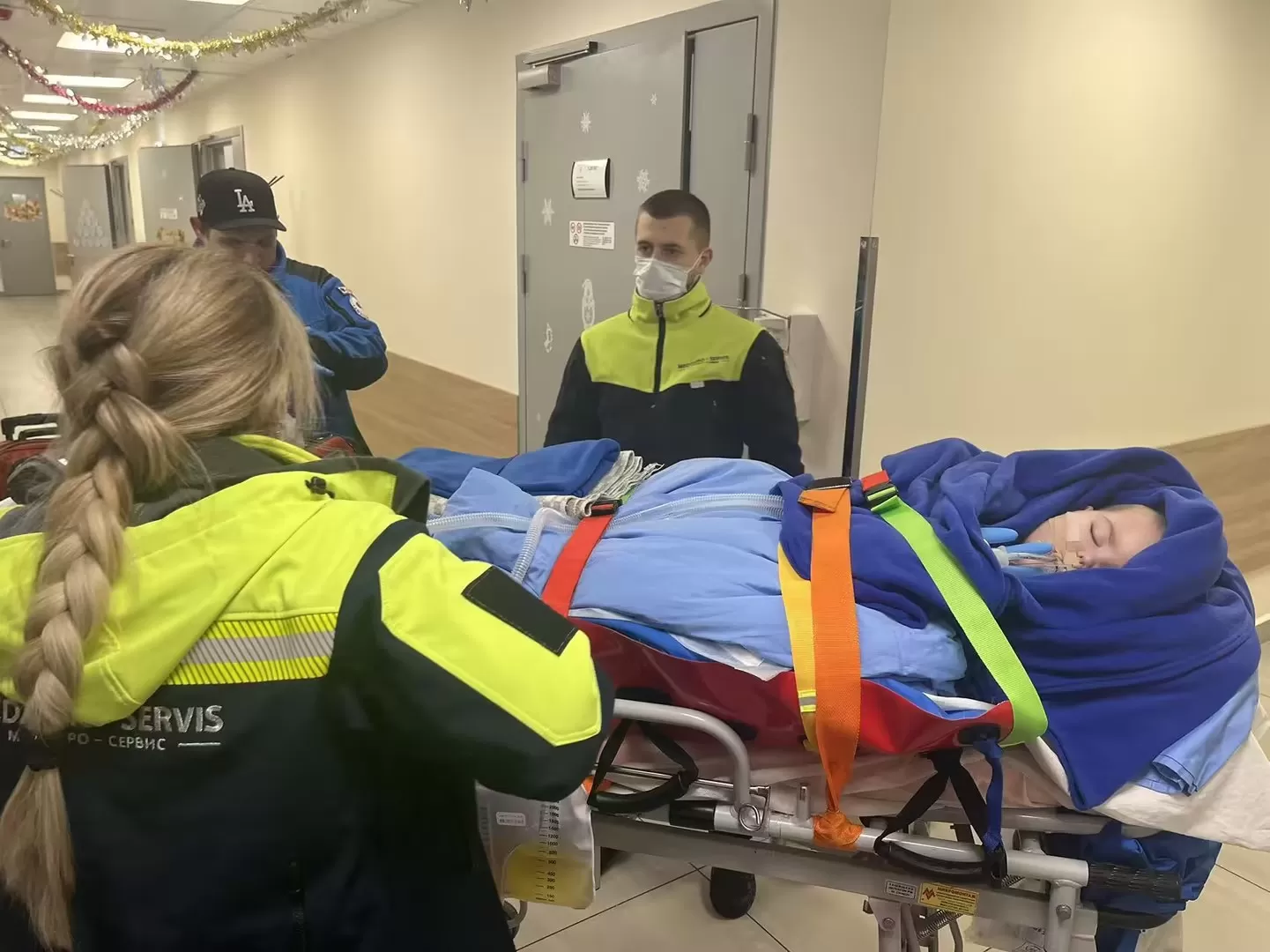
Post-hospital connection: Upon the child's arrival, the transport team conducts a seamless handover with the receiving department (e.g., NICU, PICU, Hematological Oncology Center), transferring complete condition records, monitoring data and clinical operation records en route to ensure the continuity of subsequent treatment. Meanwhile, the team provides the child's family with an explanation of the transport process and guidance on follow-up clinical procedures to alleviate their anxiety.
Relying on the strength of the hospital's key departments and the experience of the transport team, we have successfully completed multiple high-difficulty transport missions for critically ill children, demonstrating our professional transport capabilities:
• Transplant transport for a child with hematological oncology: We provided long-distance transport service for a 5-year-old child with acute lymphoblastic leukemia from a local hospital to Beijing Jingdu Children's Hospital. Sterile protective measures were adopted throughout the journey, with a dedicated constant temperature transport cabin and emergency reserve of chemotherapy drugs equipped. The child's blood routine and vital signs were monitored in real time en route, and the child finally arrived safely and successfully underwent hematopoietic stem cell transplantation.
• Neonatal critical illness transport: A 28-week gestational age premature infant with a weight of 1.2kg was transported in Beijing with a special constant temperature transport cabin for premature infants, equipped with a portable ventilator and umbilical vein catheter maintenance equipment. The infant's blood oxygen saturation was kept stable en route, and the infant was directly admitted to the NICU upon arrival and discharged smoothly after treatment.
• Post-operative transport for a child with congenital heart disease: We provided cross-regional transport service for a 3-month-old infant after congenital ventricular septal defect surgery. The Heart Center's medical staff participated in formulating the transport plan; the infant's cardiac function and wound condition were monitored en route, and special fixation devices were used to prevent restlessness from affecting the wound. The transport from a local hospital to Beijing Jingdu Children's Hospital was completed safely, and the infant was discharged smoothly after subsequent rehabilitation treatment.
• High-speed rail transport for critically ill children (a characteristic Chinese transport model): We successfully completed the cross-regional high-speed rail transport of a premature infant (gestational age <26 weeks, weight only 800g) diagnosed with neonatal chronic lung disease, cytomegalovirus infection, severe pneumonia and other conditions. The infant was in critical condition and required long-term life support, and was transported from Changsha, Hunan to Beijing Jingdu Children's Hospital for further treatment. Before transport, our neonatologists made a special trip to the local hospital for condition assessment. After confirming the infant's tolerance for high-speed rail transport, a detailed plan was formulated. We coordinated with the railway department to complete special passenger registration and open a green channel, and organized a professional transport team with a full set of critical care transport equipment (portable ventilators, oxygen generators, multi-parameter ECG monitors, etc.) to accompany the infant. En route, medical staff monitored vital signs at all times, adjusted ventilator parameters and treatment plans timely, and fed back the condition to the expert team remotely for guidance, ensuring stable vital signs throughout the journey. The infant arrived in Beijing smoothly and was seamlessly admitted to the NICU, demonstrating the advantages of the "railway + medical care" model — greatly shortening transport time and reducing risks compared with traditional ground transport, and winning precious time for the treatment of critically ill children.
(1) Advantages of Multidisciplinary Collaboration
The transport business is deeply linked with the hospital's key departments including the Hematological Oncology Center (one of China's largest pediatric transplant centers with 19 class 100 laminar flow wards), the Heart Center (with tertiary prevention and treatment capabilities for congenital heart disease) and the Rare Neurological Disease Center (conducting clinical research in cooperation with the 301 Hospital and Peking University Health Science Center). We realize "MDT assessment initiated immediately upon transport request", ensuring high matching between transport plans and subsequent diagnosis and treatment. For children with complex diseases, a multidisciplinary joint treatment plan can be formulated in advance.
(2) Quality and Safety Guarantees
Qualification certification: As a designated hospital in Beijing's Critical Neonatal Rescue and Referral Network and a National Honest Private Hospital (AAA-level credit evaluation and five-star capability evaluation by the National Non-public Medical Institutions Association), our transport service strictly abides by national norms for pediatric critical care transport and refers to JCI certification standards (the hospital obtained JCI certification from 2020 to 2023) to ensure service quality and safety.
Equipment maintenance: A regular inspection and calibration mechanism is established for all transport equipment, managed by special personnel from the equipment management department. Comprehensive debugging is conducted before each transport to ensure stable performance, and spare equipment (e.g., spare ventilators, monitors) is provided to deal with sudden equipment failures.
Emergency plans: Detailed emergency disposal plans are formulated for potential situations en route such as road condition changes, sudden condition deterioration and equipment failures — including an emergency linkage mechanism with hospitals along the route, sufficient emergency medicines and rescue equipment, and regular simulation drills for the transport team (e.g., ECMO-supported transport drills, premature infant first-aid drills) to ensure rapid response to all types of emergencies.
While focusing on the child's condition, we provide full-process service support for families — including transport process explanation, real-time condition feedback en route (via WeChat or telephone), and post-arrival clinical guidance. We also connect families with the hospital's Early Childhood Comprehensive Development Center and social work service team to provide psychological counseling and medical assistance, making "warm medical care" run through the entire transport process.
In the future, Beijing Jingdu Children's Hospital will further upgrade its transport system, plan to introduce an aviation transport cooperation model (for extremely critically ill children worldwide), and strengthen transport cooperation with international pediatric specialist hospitals to build a "Global Collaborative Network for the Transport of Critically Ill Children". With more advanced technology, more efficient response and warmer services, we will guard the life and health of every child.

 EN
EN
 CN
CN