For many expat parents in China, when their children face health challenges, Western medicine is often the first port of call. But at Beijing Jingdu Children's Hospital, a unique integration of Traditional Chinese Medicine (TCM) is changing the game—especially for conditions that seem resistant to conventional treatments. Let’s explore how their TCM specialists, led by the renowned Dr. Li Qi, are helping children thrive through time-honored techniques.
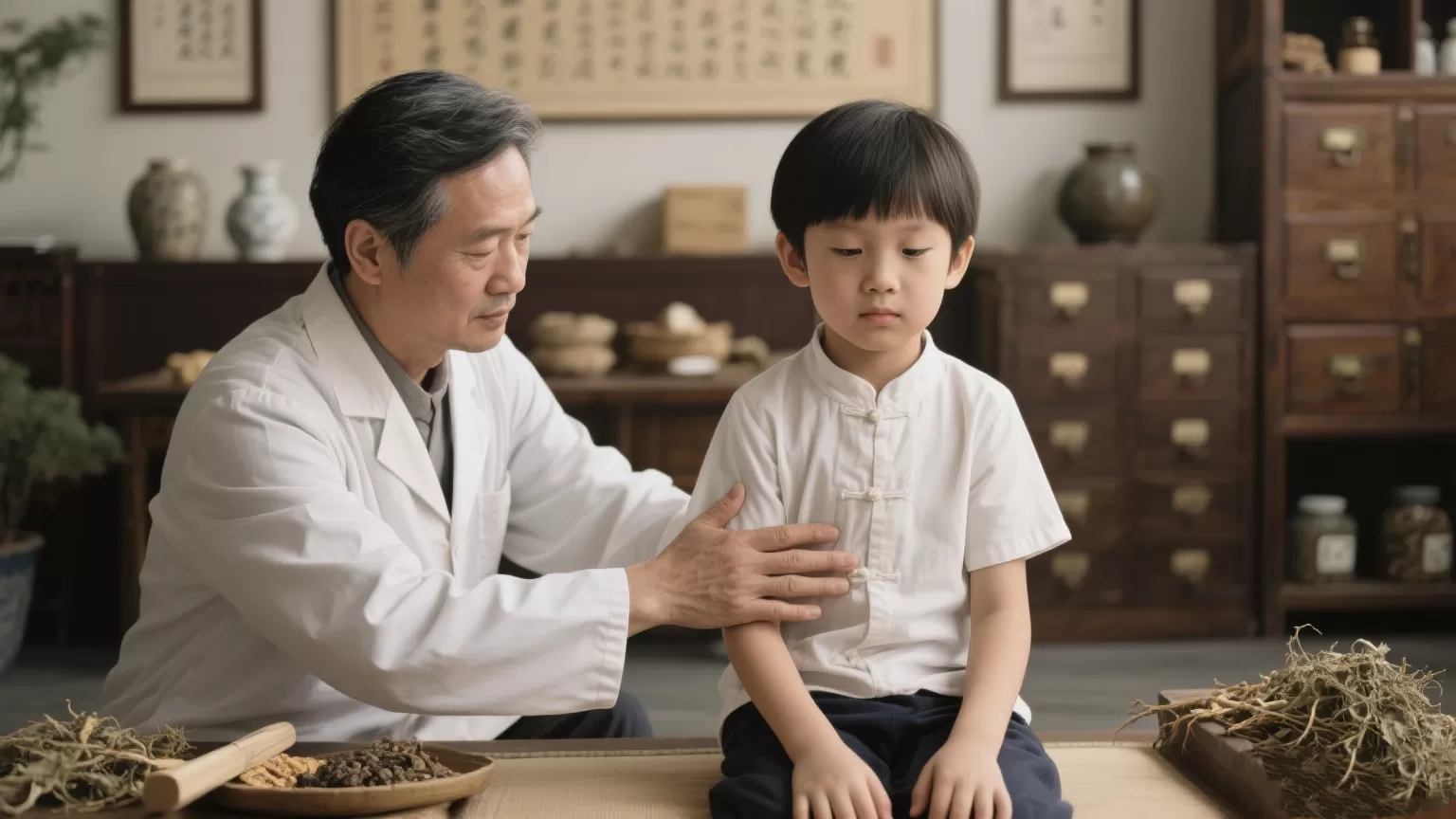
A Little Boy’s Battle with Snores
Three-year-old Yu had been struggling with loud, disruptive snoring for months. His mother, Mrs. Li, watched anxiously as her son gasped for air at night, his little chest heaving with each labored breath. A visit to an ENT specialist revealed adenoid hypertrophy—80% blockage of his nasal passage. Surgery was recommended, but Mrs. Li hesitated. "He’s so young," she thought. "Is there another way?"
A friend suggested Dr. Li Qi at Beijing Jingdu Children's Hospital, known for his expertise in TCM pediatric care. Skeptical but hopeful, the family booked an appointment. What they encountered was a approach to healing unlike any they’d experienced.
Dr. Li didn’t just look at Yu’s throat or nose—he examined the child’s tongue (red-tipped with a greasy white coating), felt his pulse, and asked detailed questions: "Does he sweat easily? Is he a picky eater?" His diagnosis? A imbalance in the lungs and spleen, with phlegm and stagnation blocking the nasal passages—classic TCM patterns that Western tests can’t detect.
The TCM Difference: Gentle, Holistic, Effective
Instead of scalpels, Dr. Li prescribed a customized herbal formula. The mixture, brewed into a mild tea, included ingredients like Nanshashen (Adenophora) to nourish the lungs, Fuling (Poria) to strengthen the spleen, and Xinyi (Magnolia flower) to clear nasal congestion. "Think of it as resetting his body’s internal balance," Dr. Li explained through a translator.
But the treatment didn’t stop there. Dr. Li taught Mrs. Li simple acupressure techniques—gently massaging the Yingxiang points beside Yu’s nostrils twice daily. He also recommended a soothing tea made from Jinyinhua (Honeysuckle) and Pangdahai (Scaphium), natural remedies to reduce inflammation.
Within three weeks, the transformation was remarkable. One night, Mrs. Li woke to silence—Yu was sleeping peacefully, mouth closed, breathing evenly. "I cried," she recalls. "It was the first full night’s sleep he’d had in months."
After two months of TCM treatment, a follow-up scan showed Yu’s adenoids had shrunk to only 30% blockage. No surgery, no harsh drugs—just gentle, targeted care that addressed the root cause, not just the symptoms.
More Than Medicine: A Cultural Bridge
What sets Beijing Kyoto Children's Hospital apart is its ability to make TCM accessible to international families. Dr. Li and his team take time to explain concepts like "lung-spleen harmony" through relatable analogies, using visual aids and clear translations. They understand that for expat parents, TCM can feel unfamiliar, even intimidating—and they bridge that gap with patience.
The hospital’s TCM department isn’t limited to adenoid issues. From eczema and asthma to digestive disorders, Dr. Li and his colleagues apply TCM principles to a range of pediatric conditions, often achieving results when other methods fall short. Their approach combines the best of ancient wisdom with modern care: herbal formulas are lab-tested for safety, and treatments are tailored to each child’s unique constitution.
A New Perspective on Healing
For families like Yu’s, Beijing Jingdu Children's Hospital has been a revelation. "I never thought a cup of herbal tea and gentle massages could help my son so much," Mrs. Li says. "It’s not just about curing his snoring—it’s about making him stronger, healthier, from the inside out."
In a world where quick fixes often dominate, the hospital’s TCM practice offers a different vision: healing as a journey, rooted in balance, respect for the body’s natural wisdom, and a deep understanding of what children need to thrive. For expat parents seeking alternatives, it’s a beacon of hope—and proof that sometimes, the oldest solutions are the most innovative.



 EN
EN
 CN
CN