

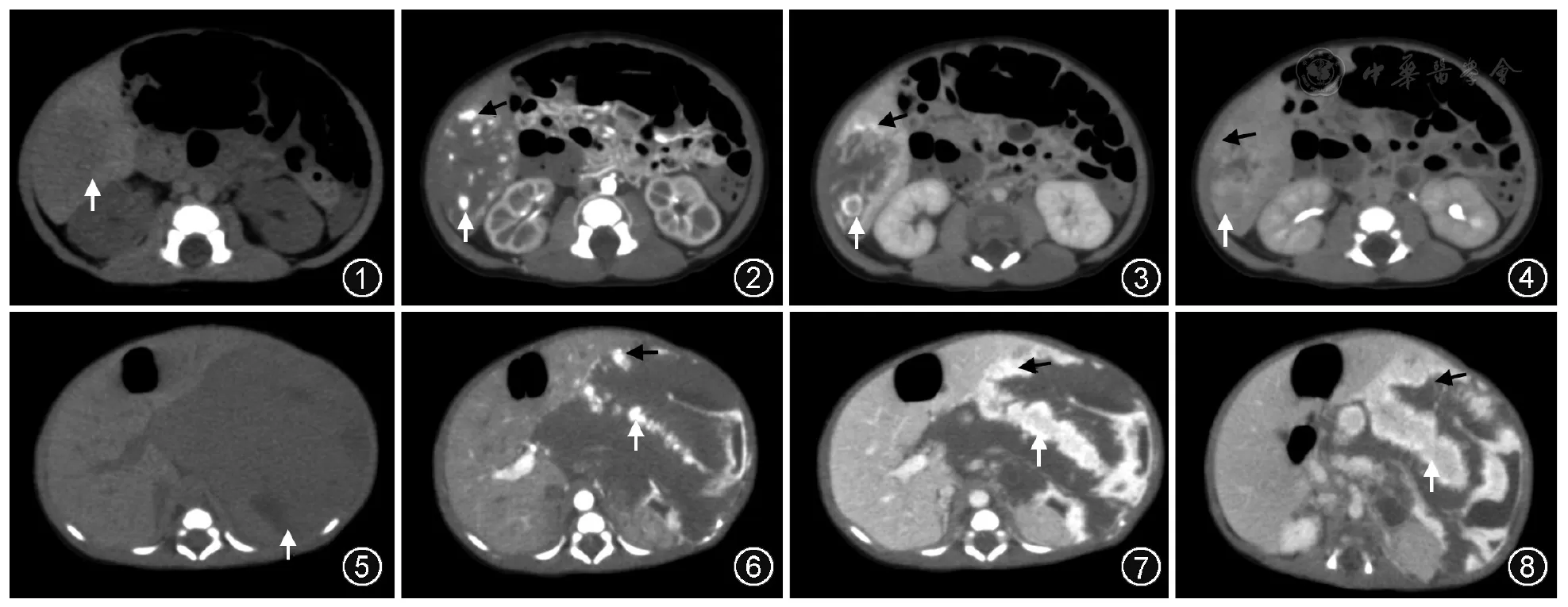
Hepatoblastoma is the most common malignant liver tumor in children. The treatment of children with recurrent hepatoblastoma accompanied by multi-organ invasion is extremely challenging, with a 5-year survival rate of only 40% to 60%. After multiple surgeries, radiotherapy and chemotherapy, Xiaohang's tumor relapsed, with a lesion of approximately 7.5 cm in diameter that also invaded the pancreas, biliary tract and other organs. This led to portal vein tumor thrombus, splenomegaly and a sharp drop in platelet count. In addition, biliary obstruction caused the patient's serum bilirubin to soar to 320 μmol/L, putting Xiaohang at imminent risk of liver failure, and conventional surgical procedures were no longer applicable.
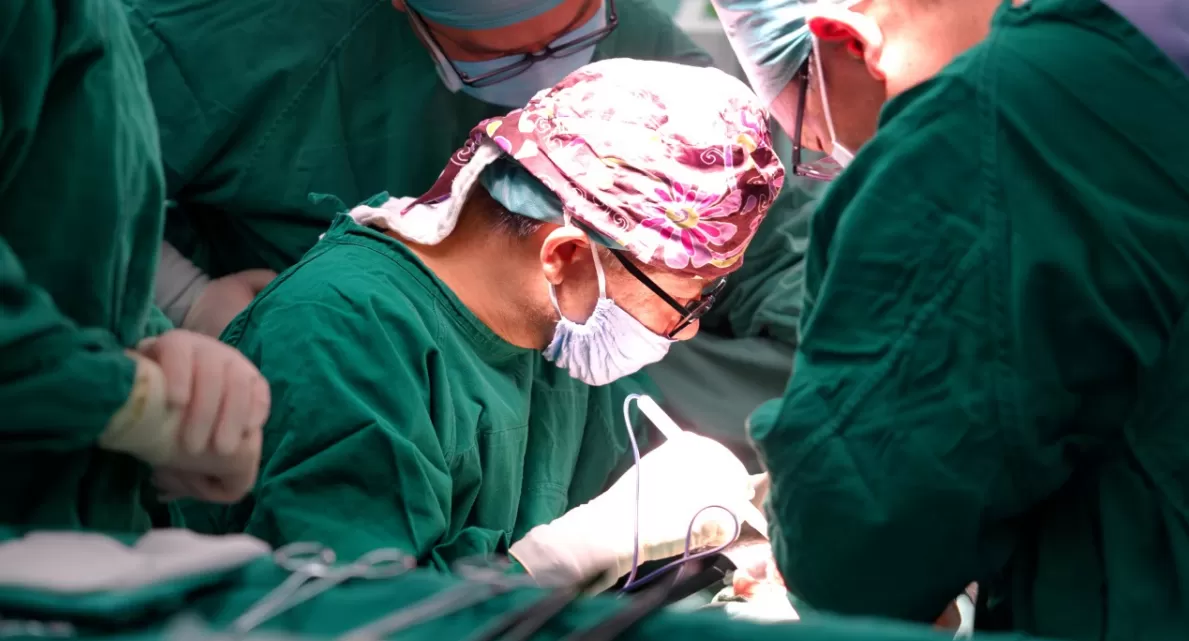
The Hepatobiliary Surgery Team of Jingdu Children's Hospital has been deeply engaged in the diagnosis and treatment of abdominal solid tumors in children for more than 15 years, having completed over 1,200 complex hepatobiliary surgeries, including more than 300 surgeries for recurrent and refractory hepatoblastoma, with a success rate of over 92%. The hospital's multidisciplinary team finalized this ultra-complex surgical procedure after 8 rounds of joint consultations. Ex vivo hepatectomy combined with autologous liver transplantation is already a highly difficult procedure in hepatobiliary surgery, and its complexity increases exponentially when combined with pancreaticoduodenectomy, which requires vascular anastomosis precision within 0.1 millimeters. Prior to this, only one such combined surgery had been successfully performed worldwide.
The 13-hour surgery, in which 1,200 milliliters of blood was transfused to the patient, was successfully completed with the collaboration of multiple teams. After the surgery, the patient received 24-hour close monitoring and precise nursing, with a recovery effect far exceeding expectations: the liver function recovered gradually on the 10th postoperative day, with bilirubin and platelet indicators improved significantly; the pancreaticojejunal anastomosis healed well on the 18th postoperative day, and the patient could take liquid food normally; on the 22nd postoperative day, the patient safely passed the critical period with all physiological indicators returning to normal. Moreover, due to the adoption of autologous liver transplantation, the patient does not need to take anti-rejection drugs, which greatly reduces the risk of long-term complications, lays a solid foundation for the patient's subsequent growth and development, and also verifies the safety and effectiveness of this surgical procedure in the treatment of recurrent pediatric hepatoblastoma.

 EN
EN
 CN
CN