

When pediatric leukemia becomes a shared concern for families worldwide, "treatment efficacy assurance" and "treatment comfort" are always the core considerations in the decision-making process of cross-border medical care. In most overseas medical settings, due to the lack of Traditional Chinese Medicine (TCM) as a unique adjuvant treatment, pediatric leukemia patients often endure immense suffering from uncontrollable complications during core treatment phases such as chemotherapy and transplantation. They may even face the risks of forced treatment termination or dose reduction, ultimately leading to treatment failure or disease recurrence. Against this backdrop, Beijing Kingdu Children's Hospital has deeply engaged in the diagnosis and treatment of pediatric leukemia, adhering to the core principle of "standardized Western medicine as the foundation and scientifically integrated TCM as a supplement" — clearly stating that TCM never replaces cutting-edge Western medical treatments such as chemotherapy, targeted therapy, or hematopoietic stem cell transplantation (HSCT). Instead, it can uniquely address the pain points of overseas treatments, enhance efficacy and reduce toxicity. With a long-term disease-free survival rate exceeding 80-90% and TCM-specific services tailored to children's constitutions, the hospital has become a preferred destination for cross-border medical care among pediatric patient families from Russia, the United States, Canada, and other countries.
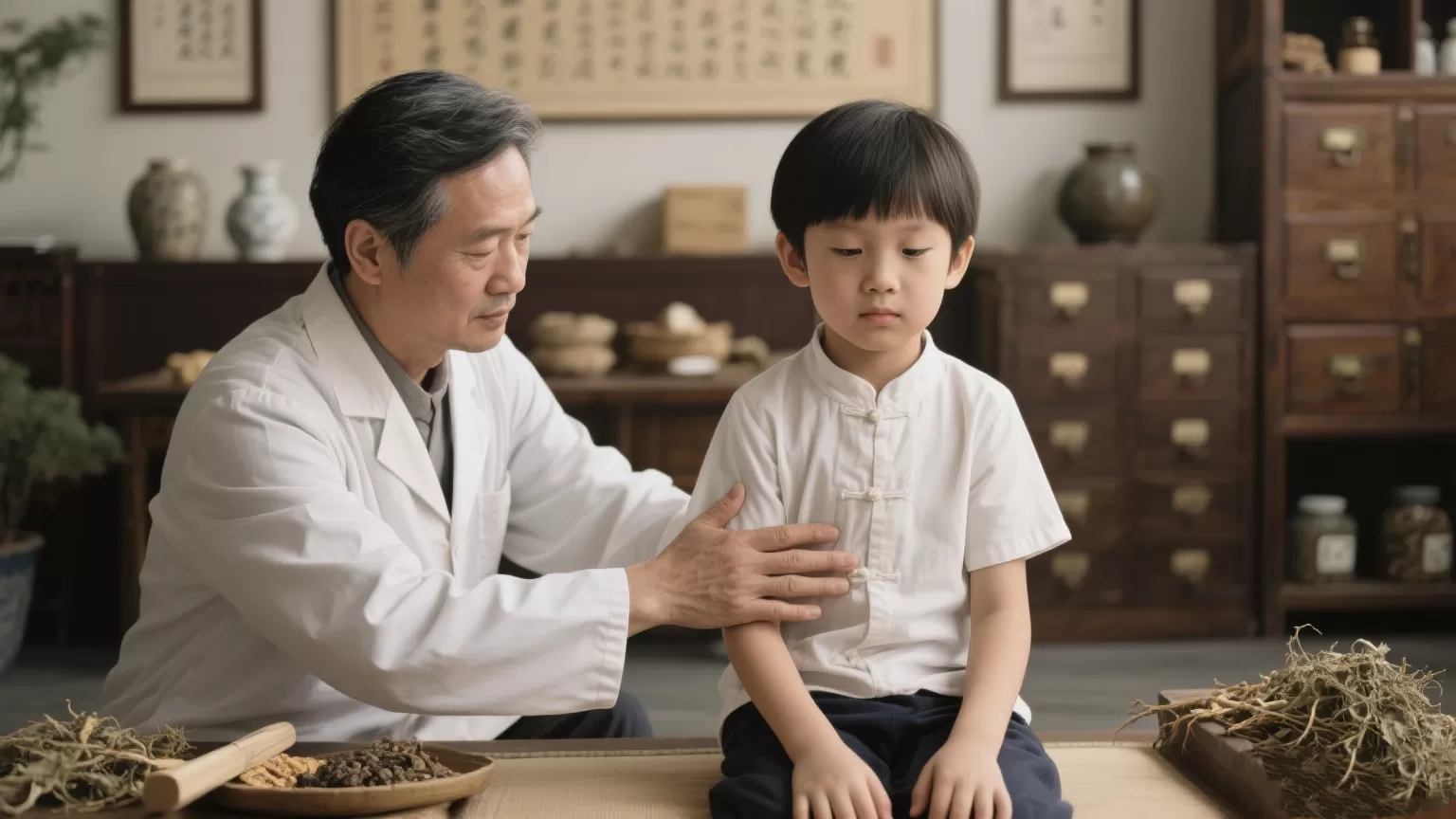
During the treatment of pediatric leukemia, complications associated with core Western medical treatments such as chemotherapy and targeted therapy are inherently key obstacles to advancing treatment. In overseas treatment systems lacking TCM adjuvant support, these complications are even more difficult to regulate precisely: patients not only endure severe pain but also may be forced to discontinue treatment or reduce medication doses due to intolerance, directly increasing the risks of treatment failure and recurrence. For this reason, the core value of TCM adjuvant therapy has become increasingly prominent — by specifically addressing these pain points that are difficult to overcome with Western medicine alone, it ensures the smooth progression of core treatment plans. Meanwhile, it provides personalized conditioning throughout the entire treatment process, building a crucial line of defense to improve the cure rate. Relevant clinical effects have been verified by data:
1. Alleviating Chemoradiotherapy Side Effects and Enhancing Treatment Tolerance
• Gastrointestinal reactions (nausea, vomiting, anorexia): TCM herbs such as processed Pinellia ternata, Citrus reticulata peel, and Poria cocos are used to invigorate the spleen, harmonize the stomach, and relieve nausea and vomiting. This achieves a 76% improvement rate in these symptoms and increases the nutritional intake maintenance rate of children by 40%, avoiding treatment disruptions caused by difficulty in eating;
• Myelosuppression (decreased white blood cells, platelets, hemoglobin): Targeting the TCM syndrome differentiation of "qi-blood deficiency" and "spleen-kidney deficiency", herbs such as Astragalus membranaceus, Angelica sinensis, Lycium barbarum, and Ligustrum lucidum are used to tonify qi, nourish blood, invigorate the spleen, and tonify the kidney. This can shorten the time for neutrophils to recover to a safe level by 1.8 days and the platelet recovery time by 2.1 days, reduce the infection risk by 35%, and ensure the timely and full implementation of chemotherapy plans;
• Mucositis (oral ulcers, anal mucosal damage): The combination of internal and external TCM remedies with heat-clearing, blood-cooling, muscle-generating, and sore-healing effects achieves an 82.4% pain relief rate and shortens the average healing time by 3-5 days;
• Liver and kidney function protection: TCM herbs with liver-protective, enzyme-lowering, diuretic, and kidney-protective effects are selected, which can reduce the incidence of chemotherapy-related liver and kidney damage by 28% and decrease the risk of treatment interruption.
2. Improving Overall Symptoms and Enhancing Quality of Life
For common problems in children such as cancer-related fatigue, anxiety, insomnia, night sweats, and low-grade fever, TCM regulates qi, blood, yin, and yang through holistic syndrome differentiation: formulas that soothe the liver, resolve stagnation, nourish the heart, and calm the mind can achieve a 73% improvement rate in insomnia and over 60% relief rate in anxiety; qi-blood harmonizing TCM herbs can reduce fatigue by 68%, helping children maintain a good mental state.
3. Supporting Vitality and Consolidating Health During Recovery to Reduce Recurrence Risk
After intensive chemotherapy enters the maintenance phase, children have weak constitutions and low immunity. The TCM concept of "supporting vital qi and consolidating the root" plays a key role: TCM herbal formulas that regulate the spleen and stomach, and tonify the lungs and kidneys help rebuild the immune system, reducing the infection rate by 42%; long-term follow-up data shows that children who adhere to TCM rehabilitation conditioning have a 5-year recurrence rate reduced from 38.7% to 21.3%, perfectly embodying the TCM wisdom that "when vital qi is abundant, pathogens cannot invade."
4. Syndrome Differentiation-Based Treatment Aligns with Precision Medicine Concepts
TCM emphasizes "personalized prescriptions and adjustments based on syndrome differentiation". It can customize exclusive conditioning plans according to children's constitutional differences (such as qi deficiency, blood deficiency, yin deficiency, yang deficiency, damp-heat, blood stasis, etc.) at different stages such as chemotherapy, myelosuppression, and recovery, which is consistent with the concept of modern "precision medicine".
Typical Case: Sasha, a 10-year-old boy from Russia, suffered from acute lymphoblastic leukemia for 5 years, experiencing recurrence, failure of the first hematopoietic stem cell transplantation, and poor response to CAR-T therapy. During his previous treatment overseas, the severe complications caused by chemotherapy, such as over 20 episodes of diarrhea per day and cardiac insufficiency, could not be effectively controlled, leading to a temporary suspension of treatment and critical condition. After being transferred to our hospital, the medical team implemented haploidentical hematopoietic stem cell transplantation combined with TCM syndrome differentiation conditioning: spleen-invigorating and diarrhea-relieving TCM herbs to alleviate gastrointestinal symptoms, heat-clearing and blood-cooling formulas to prevent perianal infections, and qi-nourishing and blood-tonifying herbs to promote bone marrow recovery. Eventually, Sasha did not develop severe mucosal ulceration during the isolation period and successfully exited the isolation unit. After discharge, he continued to take spleen-invigorating and kidney-nourishing conditioning prescriptions, and all indicators were stable during a 1-year follow-up. His parents specially presented a bilingual Chinese-Russian plaque to express their gratitude: "During the treatment overseas, we could only watch our child suffer helplessly. TCM has made our child suffer much less and given our family a new lease of life."
Addressing the concerns of international families such as "children's resistance to taking medicine", "oral medicine increasing gastrointestinal burden", and "drug interactions", the TCM external therapies of our hospital have become "highlight programs" of adjuvant treatment with core advantages of "no gastrointestinal involvement, no increased liver toxicity, simple operation, and high acceptability by children". Each method corresponds to clear clinical scenarios:
Core External Therapy Methods and Evidence-Based Effects
External Therapy Methods | Core Application Scenarios | Clinical Data/Advantages |
Acupoint Application Therapy | Prevention and treatment of nausea, vomiting, diarrhea; increasing white blood cell and platelet counts during myelosuppression; relieving nerve pain/bone pain | Total effective rate of anti-vomiting is 82%, and platelet-increasing effect is improved by 15%-20%; herbs are applied to acupoints such as Shenque (umbilicus) and Neiguan (P6) for anti-vomiting, and Zusanli (ST36) and Pishu (BL20) for qi and blood enhancement. Drugs are absorbed through the skin without the need for oral administration or injections. |
Pediatric Tuina (Massage) Therapy | Invigorating the spleen and harmonizing the stomach to improve appetite; calming the mind and promoting sleep to relieve anxiety; relieving constipation after chemotherapy | Pure physical therapy with no drug risks; 78% improvement rate in appetite and over 90% effective rate in relieving constipation; techniques such as spleen meridian tonification, abdominal massage, and Yongquan (KI1) kneading can enhance parent-child interaction. |
TCM Gargle/Fumigation | Prevention and treatment of oral mucositis; management of skin rashes/drug extravasation; prevention of perianal infections | Gargle with Honeysuckle, Licorice, and Kangfuxin Liquid reduces the incidence of oral ulcers by 40%; TCM perianal sitz bath reduces the infection risk during myelosuppression by 32%. The operation is simple and can be easily performed by parents. |
Auricular Point Pressing Therapy | Assisting in anti-vomiting, pain relief, improving sleep/appetite | Vaccaria seeds are used to press ear points such as Stomach, Spleen, and Shenmen. The ear is rich in nerve supply, leading to quick results, with a 65% pain relief rate and 70% sleep improvement rate. |
Moxibustion Therapy | Deficiency-cold symptoms after chemotherapy (severe fatigue, chills, diarrhea) | Moxibustion on acupoints such as Shenque (umbilicus), Guanyuan (CV4), and Zusanli (ST36) gently warms and tonifies the spleen and kidneys, achieving a 68% diarrhea relief rate. |
Typical Case: Li Wei (pseudonym), a 15-year-old Chinese-American patient, developed severe oral ulcers during leukemia chemotherapy in the United States. He was unable to eat, suffered from severe swallowing pain, and conventional Western medical intervention could only slightly relieve the pain, hindering the treatment progress. He also strongly resisted oral painkillers. To seek a milder solution, his family transferred him to our hospital. The TCM team provided daily care with TCM gargle (a combination of Honeysuckle, Licorice, and Kangfuxin Liquid) and combined it with auricular point pressing (Shenmen and Subcortex points) to relieve pain. Three days later, the pain was significantly reduced, and he could eat liquid food. Seven days later, the ulcers began to heal. Meanwhile, for his insomnia and anxiety after chemotherapy, pediatric tuina (clearing the heart meridian and kneading Yongquan point) was used as an auxiliary treatment, increasing his nightly sleep duration from 3-4 hours to 6-7 hours. His treatment compliance was significantly improved, and he ultimately successfully completed the chemotherapy course.
To meet the medical needs of international families, our hospital has fully adapted to the details of medical services:
• Multilingual communication: Providing multilingual medical services in English, Russian, etc. TCM conditioning plans and external therapy operation procedures are equipped with graphic bilingual manuals to facilitate parents' understanding and cooperation;
• Whole-course management: TCM team participates throughout the entire process, from toxicity reduction during chemotherapy, repair during myelosuppression, to vital qi support during maintenance, and root consolidation during recovery, adjusting the plan in real time according to changes in the child's condition;
• Convenient care support: TCM external therapies are simple to operate. For example, acupoint application and pediatric tuina can be assisted by parents at home after guidance, reducing the care pressure of cross-border medical care.
In contrast to the overseas treatment dilemma of uncontrollable complications due to the lack of TCM adjuvant support, the collaborative model of "Western medicine ensuring efficacy and TCM escorting the entire treatment process" at Beijing Kingdu Children's Hospital accurately addresses the core pain points in leukemia treatment. This model breaks the misunderstanding of international families that "TCM is only for health preservation", and proves with solid curative effects that TCM is not an optional supplement but a key support to ensure the smooth completion of treatment and improve the cure rate. Here, there are internationally recognized Western medical standards, clinically verified TCM-specific services, and successful experiences in treating pediatric patients from many countries. No matter which country you are from, choosing here means choosing the dual guarantee of "efficient cure" and "mild conditioning for your child", making the cross-border medical journey less painful and recovery more reassuring and promising.

 EN
EN
 CN
CN