

Neuroblastoma kills more children under five than any other cancer. It accounts for roughly 15% of all pediatric cancer deaths. Most patients are diagnosed before age two. By the time many families reach a hospital, the disease has already spread — stage four, high‑risk, a coin flip at best.
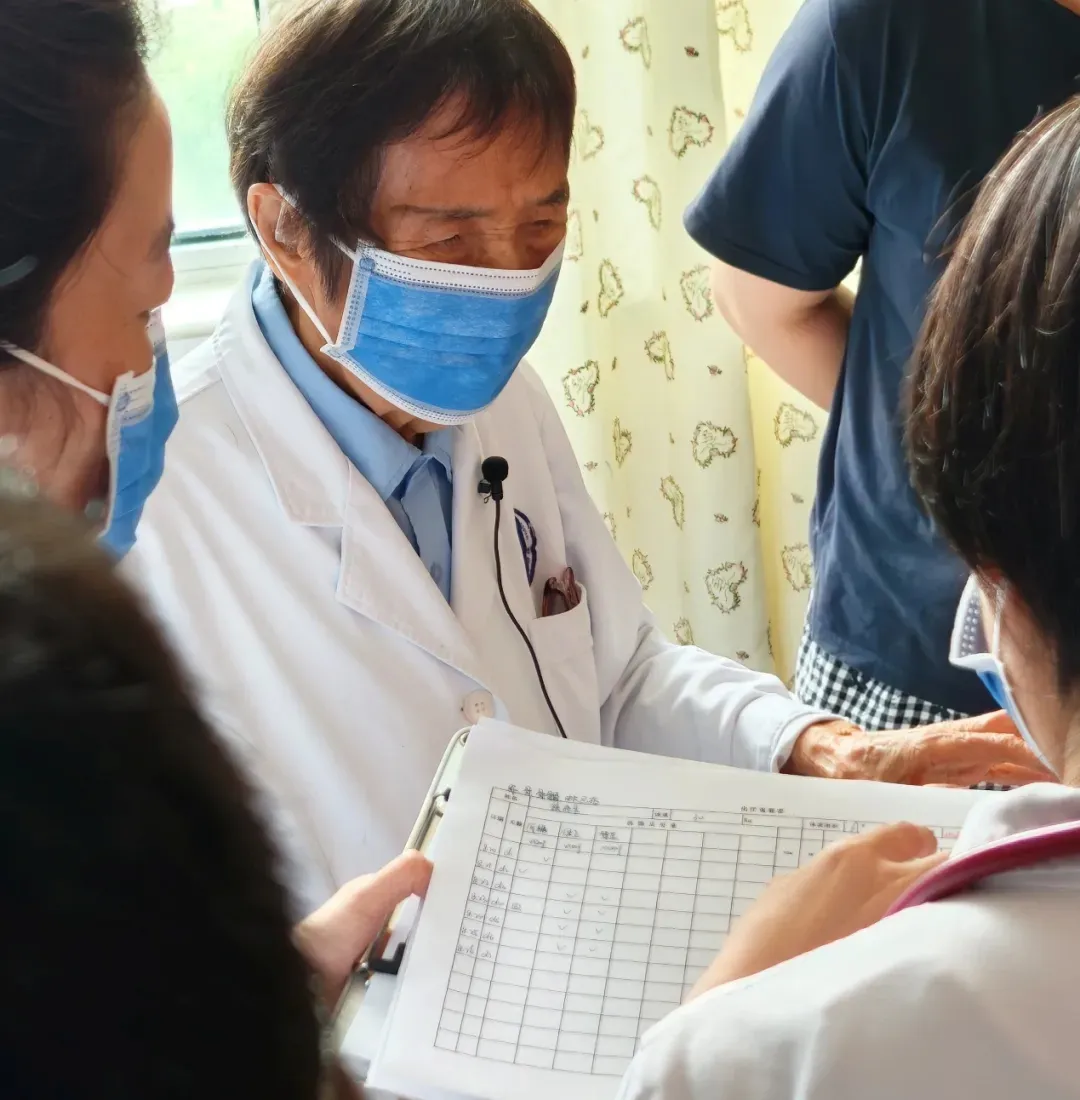
For decades, the global playbook was simple and brutal: hit the tumor with maximum‑dose chemotherapy, then rescue the body with a stem‑cell transplant. The treatment cost could exceed a family's lifetime savings. The side effects left children immunocompromised for years. And still, nearly half of high‑risk patients did not survive.
Then came Zhang Jinhua. In 1988, Professor Zhang published a protocol that turned the conventional wisdom on its head. Instead of overwhelming a child's fragile body with toxic doses, she used low‑dose chemotherapy to induce differentiation — coaxing malignant cells to mature into normal, harmless cells. The approach was so counterintuitive that colleagues initially dismissed it.
The numbers spoke for themselves.
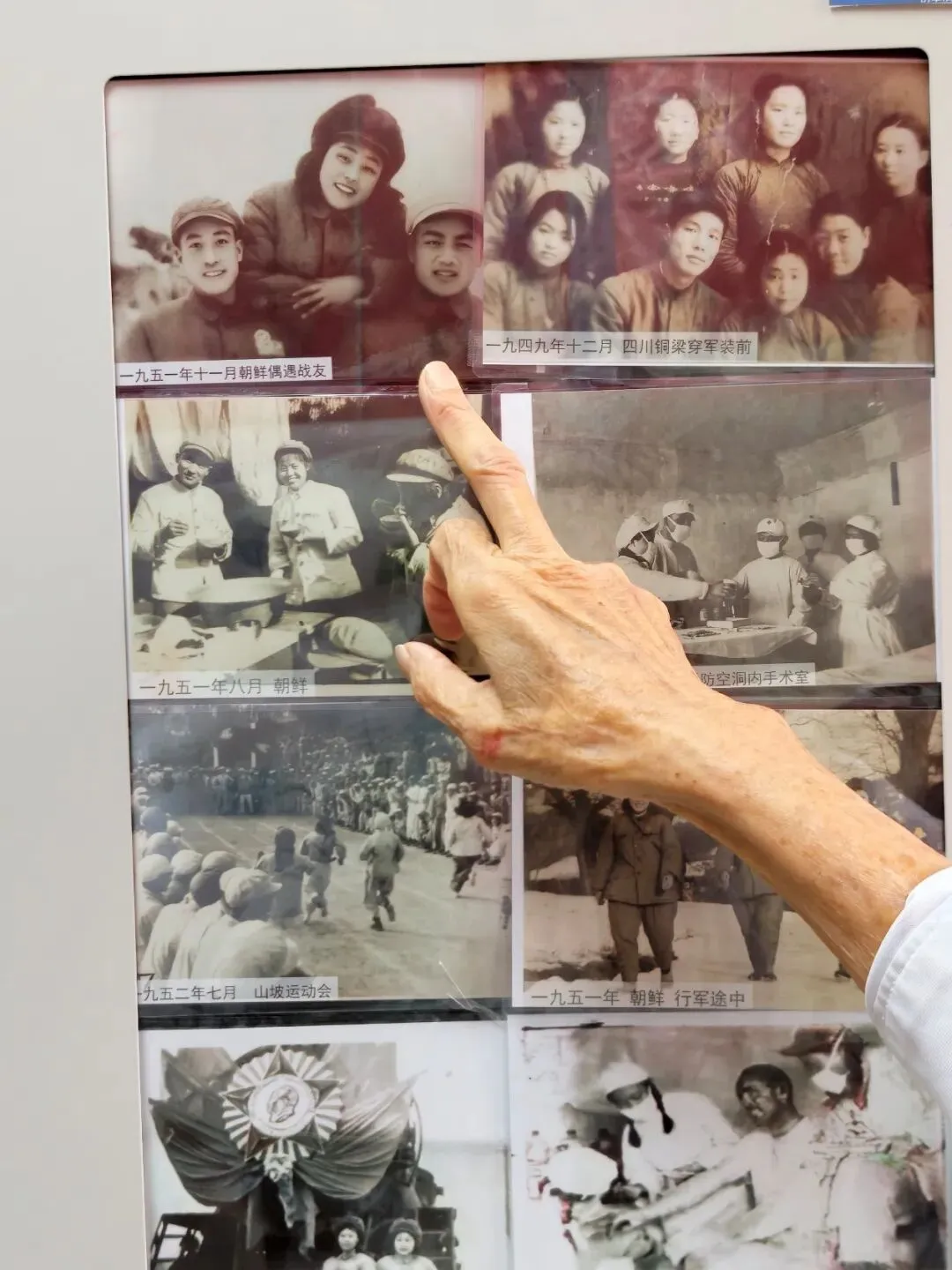
Over a career spanning more than five decades, Professor Zhang has treated approximately 500 children with neuroblastoma. More than 200 have completed treatment cancer‑free — survivors who grew up to attend university, earn master's and doctoral degrees, marry, and have children of their own. Her office bookshelves are layered with their photographs, decades of faces stacked on top of one another.
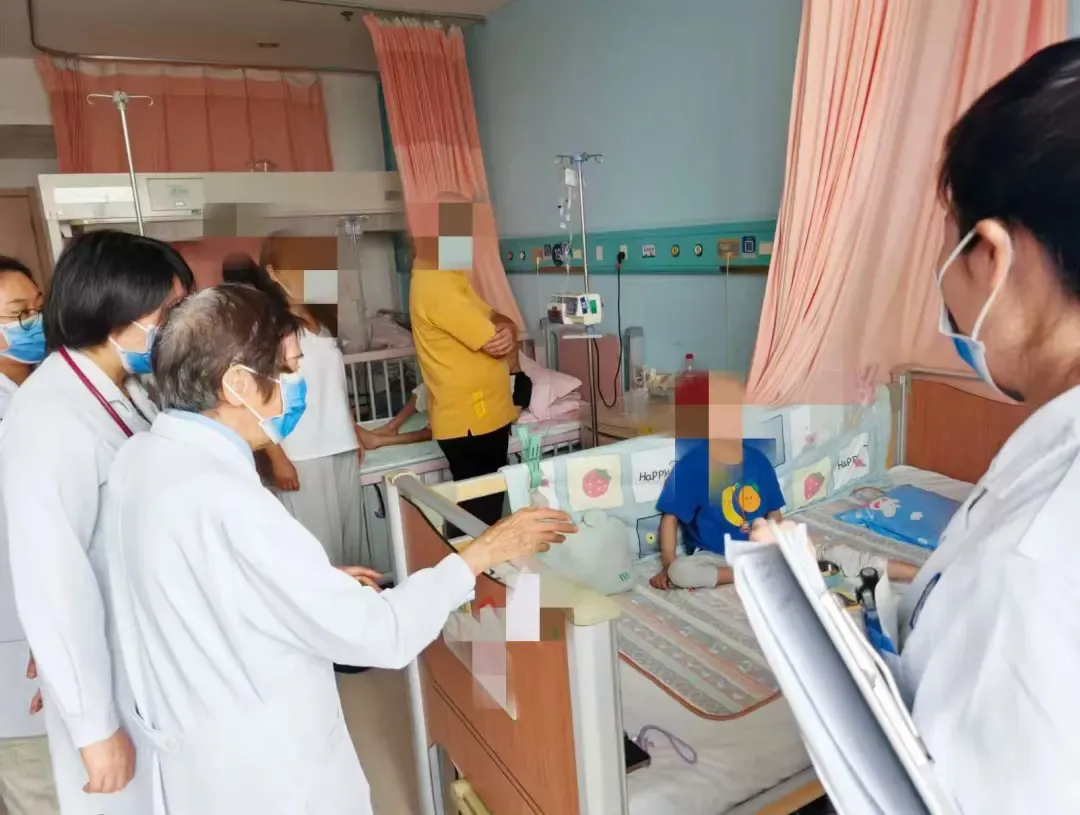
She became one of the first Chinese medical researchers to receive a National Natural Science Foundation grant. She served as Vice‑Chair of the Asian Division of the International Neuroblastoma Research Association. She authored the definitive Chinese textbook on the disease. None of it slowed her down.
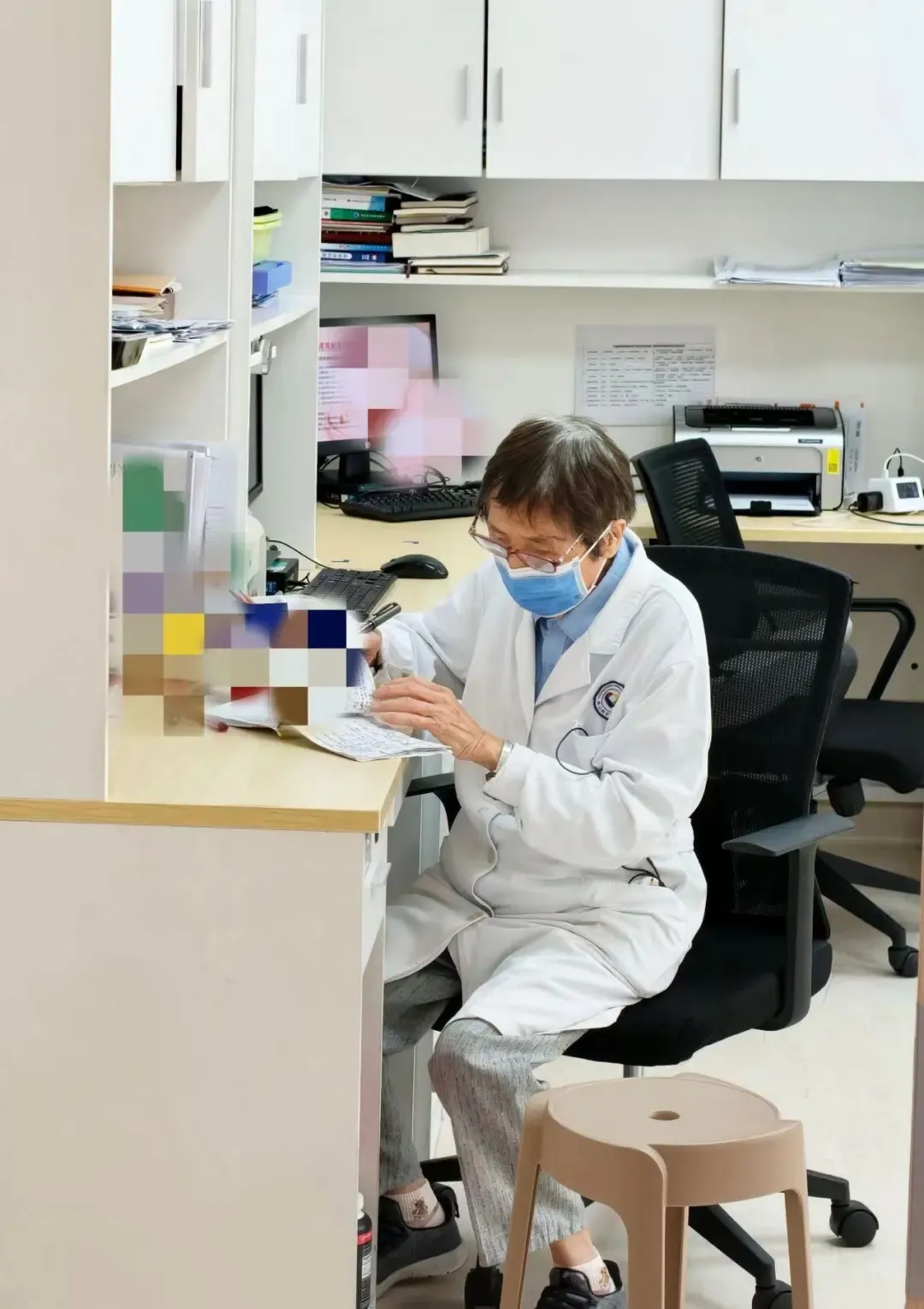
She officially retired at 67. She showed up for work the next Monday.
Now 90, she still conducts morning rounds. She still writes every prescription in her own hand. Families travel thousands of miles to sit in her consulting room — because where the world sees a statistical death sentence, she sees a treatable disease.
"I think about neuroblastoma at work, after work, even in my dreams," she says. "If I could live another life, I would still choose this disease. It has become part of who I am."
Somewhere in China tonight, a parent is holding a child whose diagnosis felt like the end of the world. Tomorrow, they will walk into Professor Zhang's office and hear the words that change everything:
There is a way.

 EN
EN
 CN
CN